
Table of Contents
Why digital project management matters
On complex design-build projects, coordination can make or break delivery. When models across trades—mechanical, electrical, structural—aren’t aligned, issues snowball into rework, delays, and budget overruns.
Done right; coordination drives predictability. Projects move faster, field teams work from accurate information, and owners avoid costly surprises.
At OAR, we bring lessons from large-scale industrial coordination to every digital project we manage. Below are four proven lessons that guide how we deliver seamless, cost-saving results.
Lesson 1: standards first
When every trade models differently, integration becomes chaos. Without shared templates or consistent levels of detail, clashes and rework multiply.
That’s why every successful project starts with standards.
- Common templates and naming conventions ensure smooth model federation.
- Consistent coordinate systems and levels of detail prevent downstream errors.
- Standardization up front saves hundreds of coordination hours later.
How OAR applies it:
We establish modeling standards from day one. Our digital project management workflows align subcontractors, equipment vendors, and engineers to a single framework—ensuring compatibility before the first file is shared. That consistency eliminates guesswork and accelerates approvals.
💡 Cost-saving benefit: standardization can reduce design rework hours by up to 40%.
Lesson 2: early and ongoing clash detection
Clashes are inevitable—but when they’re found late, they’re expensive. The fix is earlier modeling and consistent coordination.
The best teams don’t wait for a “final” model—they coordinate continuously.
- Require 3D models from trades and equipment suppliers early.
- Hold recurring clash detection meetings during design and preconstruction.
- Resolve conflicts before prefabrication or field work begins.
How OAR applies it:
We enforce a 3d-first approach. Every trade’s model is coordinated against a master model on a defined schedule. Regular review sessions surface conflicts before fabrication begins—keeping field teams productive and minimizing change orders.
💡 Cost-saving benefit: identifying clashes early saves up to 10x in downstream rework costs.
Lesson 3: centralized issue tracking
When project issues live in emails or spreadsheets, accountability disappears. Teams lose visibility, and problems resurface.
Centralized issue tracking—anchored to the 3D model—solves that.
- Every issue is logged, assigned, and tracked within a shared environment.
- Owners gain transparency, and trades stay accountable.
- Data stays organized and accessible through the entire project lifecycle.
How OAR applies it:
We manage coordination inside a common data environment where all communication is connected to the design model. That means every issue has context—who raised it, what’s affected, and how it’s resolved. The model becomes a data reservoir that drives accountability and reduces miscommunication.
💡 Cost-saving benefit: centralized tracking reduces coordination time by up to 30%.
Lesson 4: close the loop between design and field
Design intent rarely survives unchanged. Field adjustments, equipment changes, and installation differences happen daily. When these updates don’t make it back into the model, teams lose trust in the data.
Closing the loop keeps the digital model a true reflection of the site.
- Use tools like GAMMA AR for real-time field-to-office communication.
- Incorporate AR/VR verification to compare install conditions against design.
- Capture deviations and update the model regularly for as-built accuracy.
How OAR applies it:
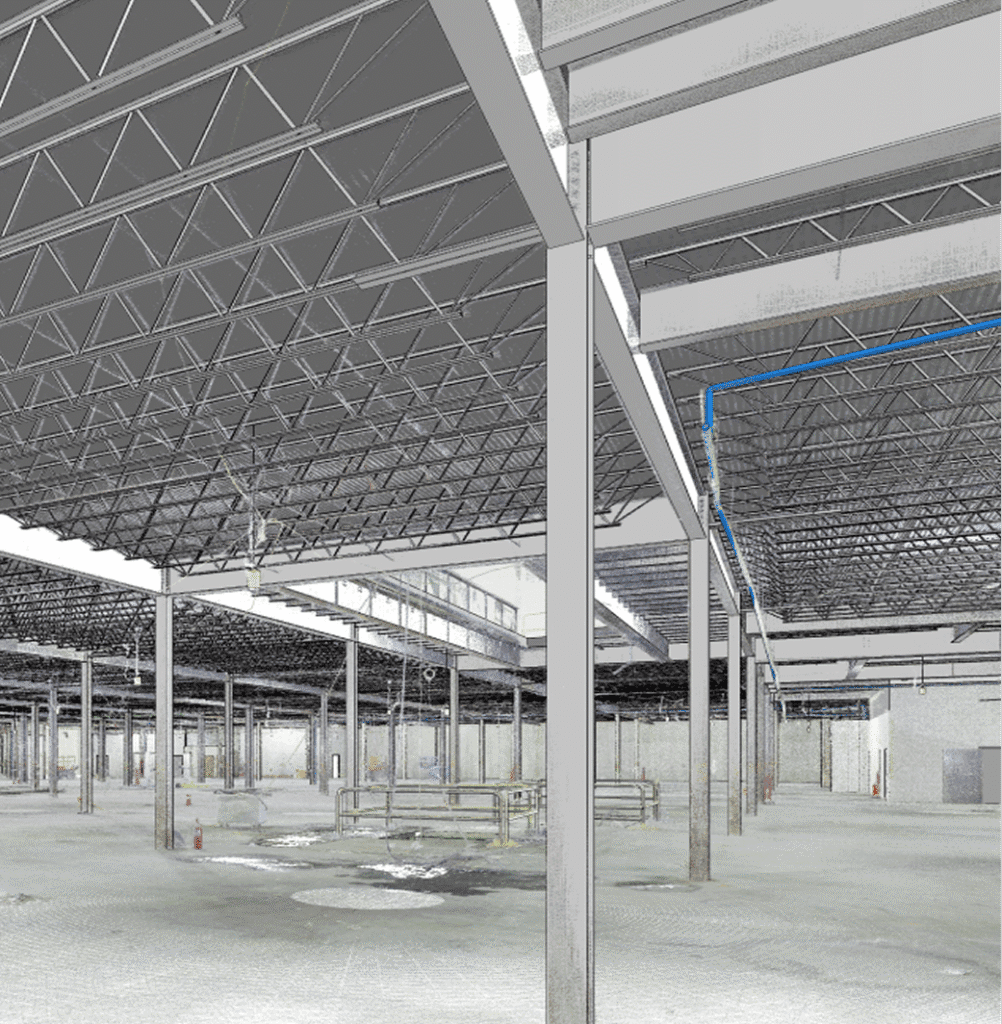
We integrate field verification through laser scanning, deviation analysis, and augmented reality. GAMMA AR helps teams flag discrepancies in the field that are immediately visible to design and management teams. This live feedback loop ensures the digital model always reflects current conditions—reducing field errors and avoiding costly shutdown surprises.
💡 Cost-saving benefit: continuous verification cuts as-built rework by up to 25%.
The OAR difference
OAR’s approach to digital project management blends proven BIM coordination practices with advanced field technologies.
By combining standardization, continuous coordination, centralized tracking, and live feedback loops, we help design-build teams deliver predictable outcomes and reduce risk.
Our clients experience:
- Fewer field conflicts and rework
- Faster project approvals and installations
- Lower total project costs
Predictability isn’t a luxury—it’s a strategy.