

Table of Contents
Digital twin adoption is one of the most talked-about trends in construction, industrial operations, and facility management. The promise is powerful: a living, evolving digital replica of a facility that teams can use to design, build, and operate more effectively.
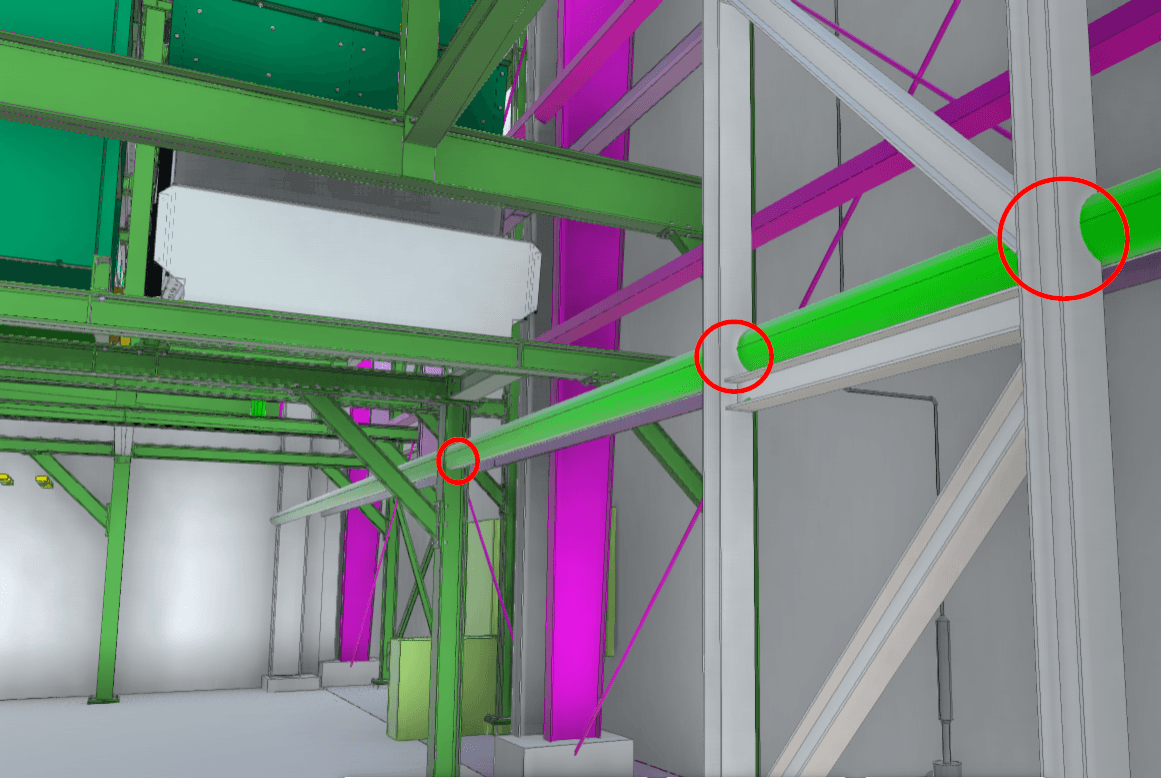
The value is clear. Digital twins allow owners to detect clashes before shutdowns, plan tie-ins with confidence, and even simulate how equipment interacts with surrounding systems. For manufacturing plants, food processors, and waste management facilities, the payoff is huge: reduced downtime, faster installations, and safer operations.
But here’s the catch. Despite the hype, digital twin adoption remains inconsistent across industries. And it’s not because the technology isn’t ready. It’s because people aren’t using it to its full potential.
Digital Twin Adoption vs. Digital Twin Technology
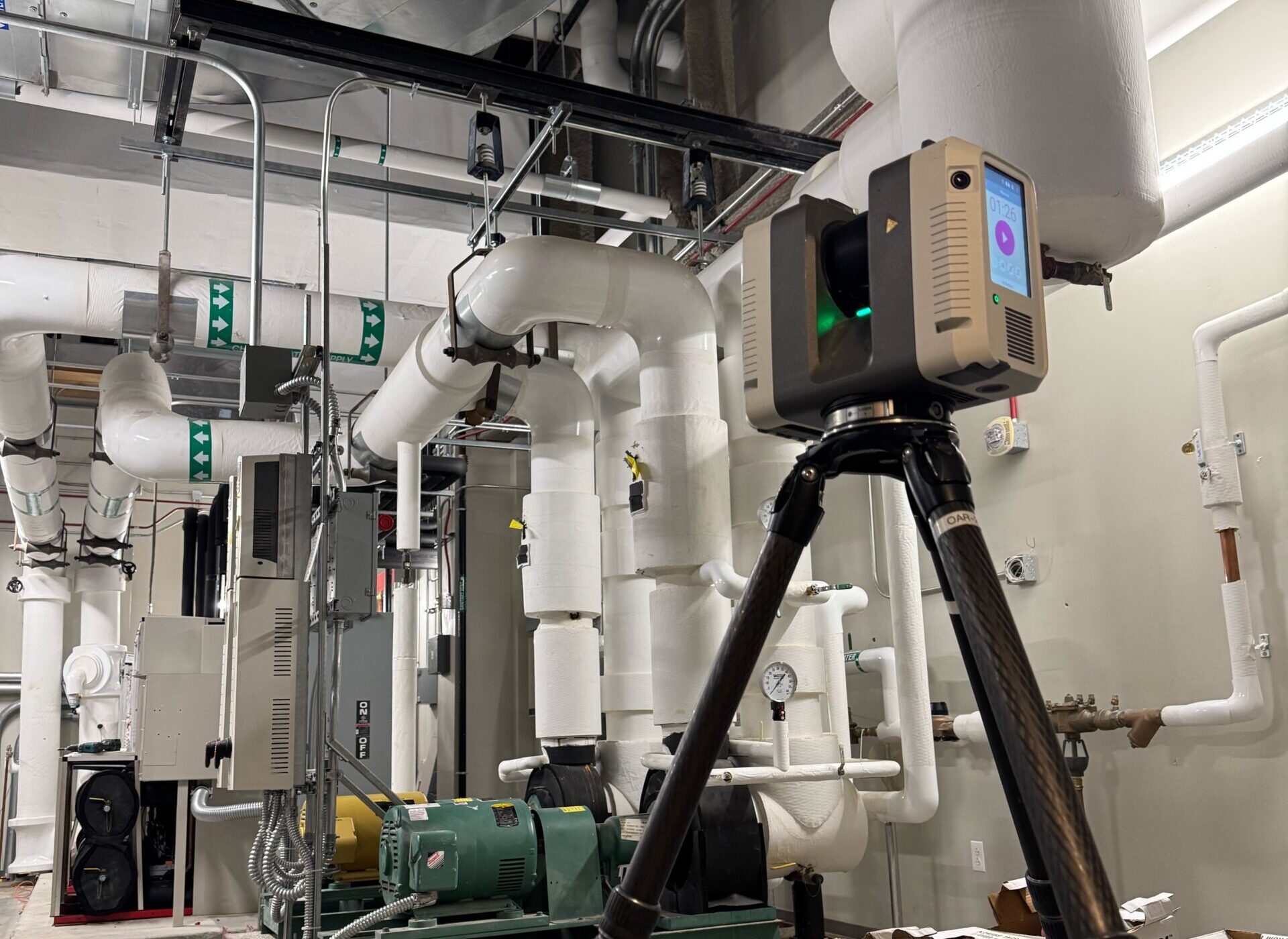
At events like Autodesk University, sessions on immersive digital twins often focus heavily on the technology stack—drones, LiDAR scanning, and advanced reality capture methods. These tools are already here and performing at a very high level.
At OAR, we use them every day in waste management MRFs, refineries, and food plants. Our Scan-to-BIM workflows produce highly accurate 3D models (±3–5 mm), detailed enough to support prefabrication with confidence.
So why isn’t digital twin adoption further along? Because technology alone doesn’t solve the problem. The real challenge is behavioral adoption—getting field teams, contractors, and owners to trust and rely on these tools consistently.
The Real Barrier to Digital Twin Adoption: Trust
A digital twin is only valuable when people use it. A perfect model that sits on a server delivers no ROI. The real frontier in digital twin adoption is building trust and creating habits around daily use.
That means moving beyond tape measures, outdated drawings, or guesswork. Instead, crews need to rely on the digital twin to coordinate trades, verify dimensions, and plan shutdowns. Until adoption becomes second nature, even the best models remain underutilized.
Why Digital Twin Adoption Must Go Beyond Capture
Many discussions stop at “capture, model, deploy.” But the true power of digital twins lies in their ability to evolve. A living twin isn’t static—it updates as conditions change, reflects modifications, and feeds back into operations.
This evolution is what makes digital twins different from traditional as-builts. But digital twin adoption often breaks down here. If teams don’t keep the model updated—or don’t use it regularly—it quickly becomes obsolete.
Adoption, not accuracy, determines whether the twin delivers lasting value.
Accuracy Isn’t Enough Without Adoption
At OAR, we achieve accuracy within ±3–5 mm—more than enough for complex industrial projects. But accuracy alone doesn’t guarantee success.
True digital twin adoption happens when field teams trust the model enough to reference it daily. That’s where the ROI is realized: fewer clashes, reduced rework, and faster shutdowns.
In other words, the success of a digital twin isn’t measured by how advanced the tech is—it’s measured by how often people actually use it.
How to Drive Digital Twin Adoption
For digital twins to deliver their promised value, adoption has to be built into the workflow from the start. Here’s how project owners and contractors can accelerate digital twin adoption:
- Start early – Integrate Scan-to-BIM in the predesign phase. Verified conditions from day one drive reliance on the model throughout the project.
- Focus detail where it matters – Invest in high-level accuracy at tie-in points, mechanical rooms, or retrofit zones. Provide broader context elsewhere.
- Make it accessible – Deliver in formats teams already use (Revit, Navisworks, IFC, DWG). The easier it is to open, the more likely it is to be adopted.
- Train for trust – Adoption increases when teams understand how the twin improves their daily tasks. Training is as critical as scanning.
- Highlight wins – Document time saved, clashes avoided, and shutdown hours reduced. Every success story reinforces adoption.
The Owner Payoff of Digital Twin Adoption
Owners who prioritize digital twin adoption see measurable returns:
- Less time spent redesigning after clashes are discovered.
- Reduced field modifications during shutdowns.
- Confidence in prefabrication, speeding up schedules.
- Predictable shutdowns that protect budgets and production timelines.
Every clash caught before construction pays back many times over. And every shutdown kept on schedule means more uptime and less revenue lost.
Digital Twin Adoption: The True Future
The future of digital twins isn’t just about sensors, IoT, or AI. Those innovations are coming—but they’ll only succeed if teams adopt digital twins as part of their everyday workflow.
That’s why the most urgent focus today is on digital twin adoption: building trust, consistency, and practical value into the way people work.
At OAR, that’s what we deliver. Our models aren’t just technically accurate—they’re practical, usable, and built for real-world adoption. By combining cutting-edge capture methods with training, accessibility, and trust, we help owners realize the full value of their digital twins.
Conclusion
Digital twins represent enormous potential. But without adoption, they’re just files. The next wave of innovation won’t be about more powerful scanners—it will be about building habits, trust, and reliance on digital twins in the field.
In the end, digital twin adoption is less about technology and more about people. And when people adopt, owners win—with faster shutdowns, fewer errors, and smarter operations.