

Table of Contents
In construction, drawings are treated as a source of truth.
But anyone who has worked on an existing facility, retrofit, or repurpose project knows a hard reality: plans rarely match what’s actually in the field. The longer a building has been operating, the wider that gap becomes.
When teams plan as if drawings reflect reality, risk enters the project long before work begins. This is the core issue behind the reality vs. drawings gap.
Why Drawings Drift From Reality Over Time
Most facilities don’t stay frozen at the moment their drawings were issued.
Over years—or decades—changes accumulate:
- Equipment is replaced or relocated
- Temporary fixes become permanent
- Access paths are altered
- Utilities are rerouted without full documentation
- Modifications are made during shutdowns under time pressure
Some updates make it back into drawings. Many don’t.
What remains is a set of plans that may be technically correct on paper, but incomplete—or misleading—in practice.
The Illusion of Accuracy
Drawings often look precise. Dimensions are clean. Systems appear coordinated. Everything fits neatly on the page.
That visual clarity creates confidence.
The problem is that clarity on paper does not equal accuracy in the field.
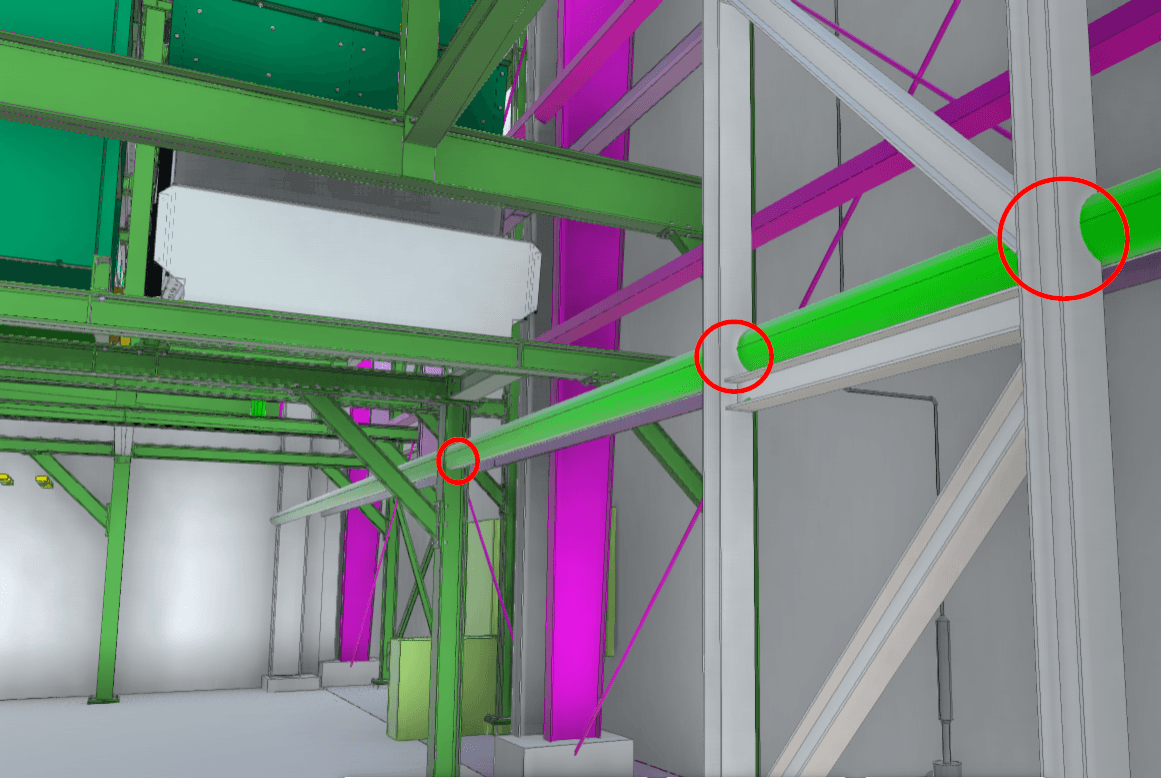
Even small discrepancies—an undocumented offset, a shifted pipe rack, a lowered beam—can have outsized impacts once installation begins. When teams assume drawings are accurate, those discrepancies don’t get discovered until they become conflicts.
Why Retrofit and Repurpose Projects Amplify the Gap
The disconnect between drawings and reality is especially pronounced in:
- Facility expansions
- Equipment upgrades
- Shutdown-driven projects
These environments often combine:
- Aging infrastructure
- Limited access
- Multiple generations of undocumented changes
In these conditions, relying on legacy drawings is not just risky—it’s unrealistic.
What It Costs When Plans Don’t Match the Field
When teams discover conflicts late, the consequences are predictable:
- Redesign during construction
- Fabrication changes or scrap
- Resequencing work to regain access
- Shutdown extensions
- Added safety exposure from last-minute adjustments
These issues aren’t execution failures. They are planning failures rooted in unverified assumptions.
And once construction is underway, the cost of fixing them increases exponentially.
Why Site Walks and Photos Aren’t Enough
Many teams try to close the gap with site visits, photos, and manual measurements. While helpful, these methods have limits.
Site walks provide context, not precision.
Photos capture visuals, not scale.
Manual measurements are selective and time-bound.
These approaches still leave large portions of the environment undocumented—and still require teams to make assumptions about what they can’t see or measure.
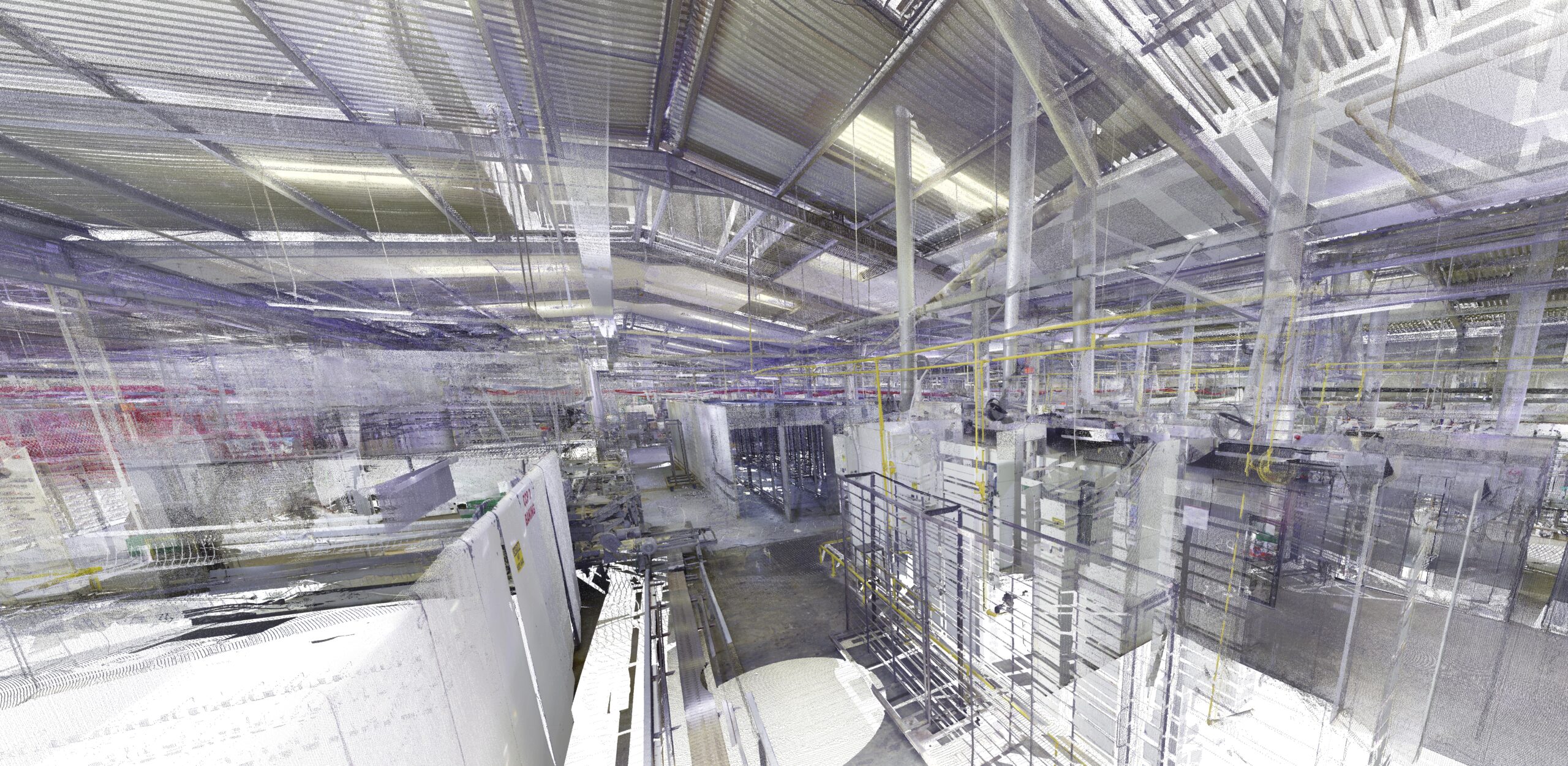
What “Field-Verified” Actually Means
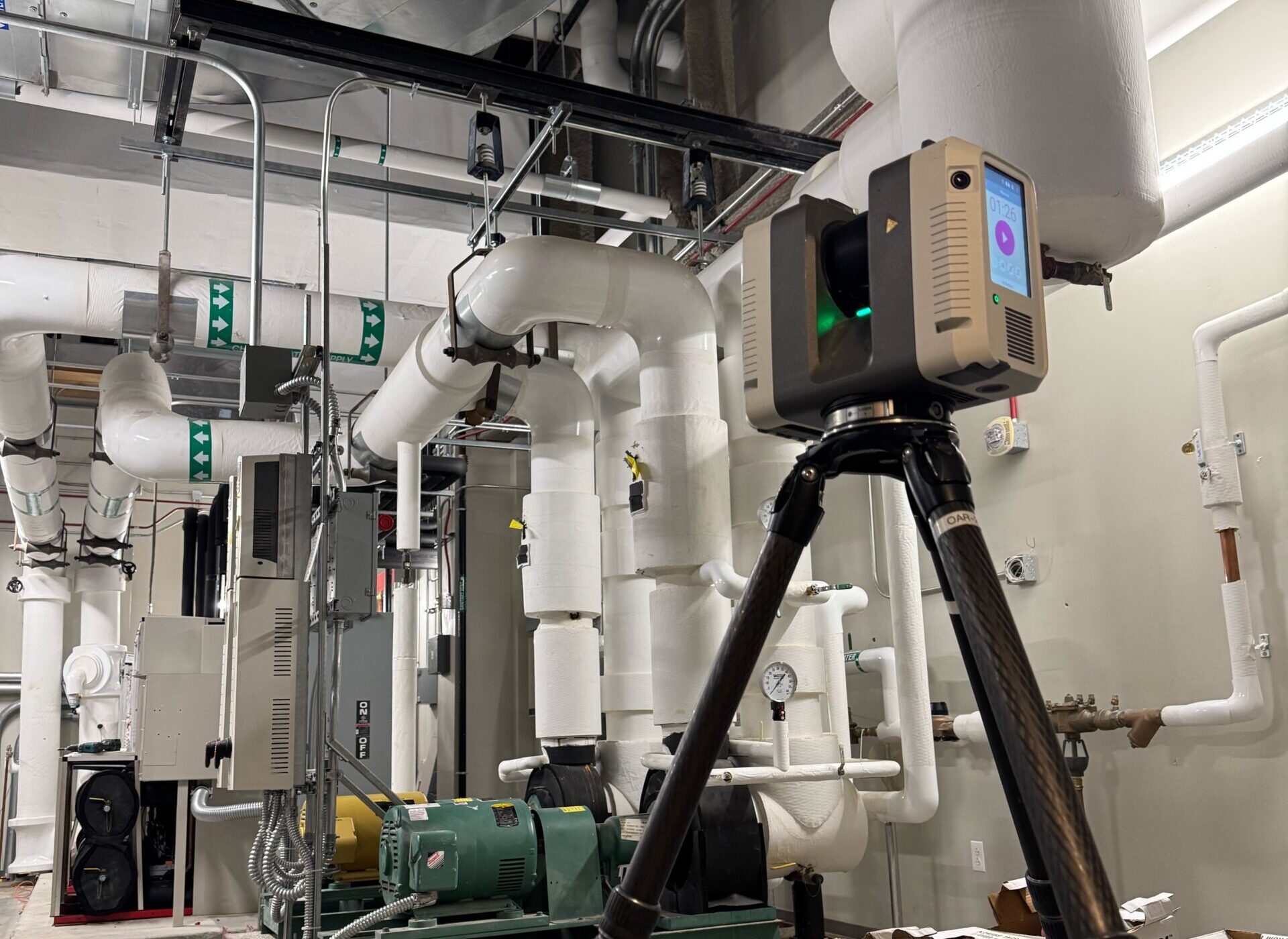
Field verification isn’t about collecting more data for the sake of it. It’s about capturing the right level of detail to support decisions.
Field-verified information allows teams to:
- Confirm critical dimensions and clearances
- Understand spatial relationships between systems
- Identify constraints before designs are finalized
- Coordinate trades around what actually exists
Most importantly, it gives teams confidence that their plans are grounded in reality—not optimism.
How Teams Close the Gap Without Slowing the Project
High-performing teams don’t wait for perfect information. They validate what matters most, when it matters most.
They:
- Focus verification on high-risk areas
- Align stakeholders early around shared, trusted information
- Use verified conditions to inform design, coordination, and sequencing
- Reduce the need for contingencies by reducing uncertainty
The result isn’t slower projects. It’s fewer surprises.
The Real Issue Isn’t Drawings—It’s Assumptions
Drawings themselves aren’t the enemy. Assumptions are.
Problems arise when teams:
- Treat drawings as complete representations of reality
- Defer validation until conflicts arise
- Plan shutdowns and installations around what’s expected, not what’s verified
Replacing assumptions with verified reality changes how decisions are made—and how risk is managed.
The Strategic Takeaway
When plans don’t match the field, projects don’t fail all at once. They fail incrementally—through rework, delays, and avoidable coordination issues.
The teams that perform best aren’t the ones with the most detailed drawings. They’re the ones that recognize where drawings fall short and take steps to validate reality before committing to decisions.
In complex construction environments, clarity comes from understanding what exists—not just what’s drawn.
FAQs
Why don’t drawings match existing conditions?
Because facilities change over time. Equipment moves, utilities are rerouted, and modifications are made without full documentation. Over years, drawings fall further behind reality.
Aren’t as-builts supposed to be accurate?
They’re often accurate at a moment in time. What happens afterward—during operations, shutdowns, and quick fixes—is rarely captured completely.
Can small discrepancies really cause major issues?
Yes. Minor misalignments can trigger redesign, rework, access problems, or shutdown extensions once construction begins.
Why is this risk higher in retrofits and repurposing projects?
These projects combine aging infrastructure, tight access, short shutdown windows, and undocumented changes—making assumptions especially dangerous.
Why aren’t site walks and photos enough?
They provide context, not precision. Photos don’t show true dimensions, and manual measurements leave gaps that still require assumptions.
What does “field-verified” information mean?
It means critical dimensions, clearances, and relationships are confirmed—not assumed—before decisions are locked in.
Does field verification slow projects down?
No. It reduces late-stage surprises, rework, and delays by addressing risk before construction starts.