

Table of Contents
Most construction problems don’t start in the field.
They start much earlier, during planning, design, and preconstruction, when critical decisions are made with incomplete, outdated, or assumed information. By the time crews mobilize and issues surface on site, the real damage has already been done. Schedules slip. Scope shifts. Costs increase. Teams move into reactive mode.
This is why construction decisions fail before work begins.
It is not an execution failure.
It is a decision failure.
Why Early Decisions Carry Outsized Risk
In construction and industrial projects, early decisions shape everything that follows.
Layouts, access points, sequencing, shutdown windows, fabrication strategies, and coordination plans are often locked in long before installation begins.
Those decisions depend on one critical factor: trust in the information used to make them.
Yet many teams still rely on:
- Legacy drawings that no longer reflect reality
- Partial as-built documentation
- Manual measurements taken under time pressure
- Assumptions passed from one phase to the next
None of this is reckless. It is usually driven by tight schedules and pressure to keep momentum. The belief is that discrepancies can be resolved later.
But “later” is where risk becomes expensive.
The Hidden Cost of Incomplete Information
When construction decisions are made without full visibility into existing conditions, small gaps compound quickly.
A few undocumented inches of equipment drift can lead to:
- Design revisions midstream
- Fabrication conflicts
- Access constraints during installation
- Shutdown overruns
- Safety risks created by last-minute workarounds
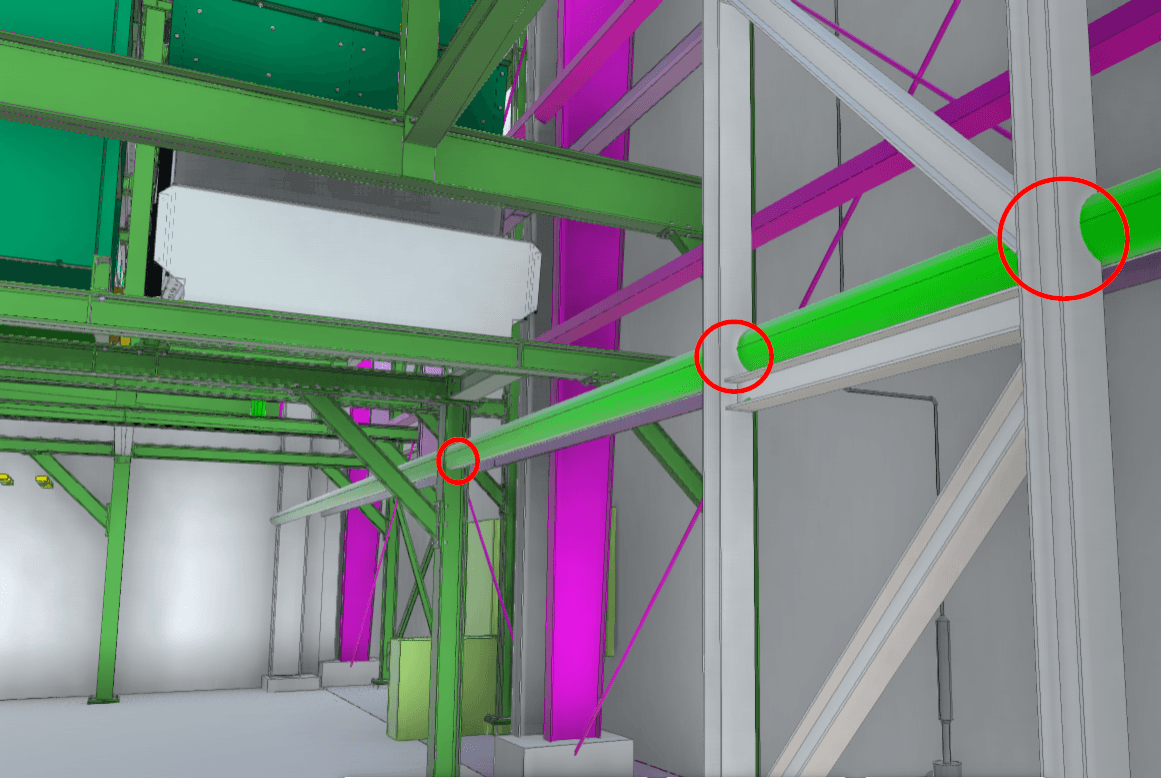
Consider a fabrication team that finalizes spool drawings based on legacy plans. When installation begins, they discover a three-inch deviation in existing piping. The spools do not fit. Fabrication must be redone. What appeared to be a minor assumption becomes a schedule disruption and cost event.
Rework is not just a budget line item. It disrupts workflow, strains coordination, and erodes confidence across teams.
And in many cases, construction rework causes can be traced back to early-stage assumptions made before work ever began.
How Assumptions Turn Into Rework and Change Orders
One of the most common traps in preconstruction decision-making is believing the available data is “good enough” to proceed.
Drawings may be technically accurate, but outdated.
Site walkthroughs provide context, but not precision.
Photos show conditions, but lack scale and measurability.
Individually, these inputs feel sufficient. Together, they create a false sense of certainty.
Teams move forward assuming discrepancies will be minor. Instead, they discover that the gap between plans and reality is wider and more costly to close once construction is underway.
This is how incomplete project information transforms into change orders, schedule compression, and reactive coordination.
When Execution Gets Blamed for Planning Failures
When projects fall behind, execution is often where blame lands. Crews are asked to accelerate. Schedules are compressed. Coordination meetings multiply.
But field teams are usually responding to risks introduced much earlier.
By the time a clash is discovered on site, the true failure has already occurred. Decisions were made without verified understanding of existing conditions.
Blaming execution masks the root cause and ensures the same pattern repeats on future projects.
What High-Performing Teams Do Differently
Teams that consistently deliver predictable outcomes do not eliminate complexity. They make it visible early.
Instead of relying on assumptions, they focus on reducing construction uncertainty before committing to major decisions.
That means:
- Validating existing conditions early, not reactively
- Ensuring planning inputs reflect what actually exists in the field
- Aligning stakeholders around a shared, trusted understanding of the site
- Focusing detail where decisions carry the most risk
The objective is not perfection. It is clarity.
When teams operate with verified visibility, coordination improves, sequencing becomes more realistic, and downstream surprises decrease significantly.
Replacing Assumptions With Verified Reality
At the core of better outcomes is a simple shift:
moving from assumed conditions to verified reality.
Verified reality changes how decisions are made:
- Design choices are grounded in what exists, not what is expected
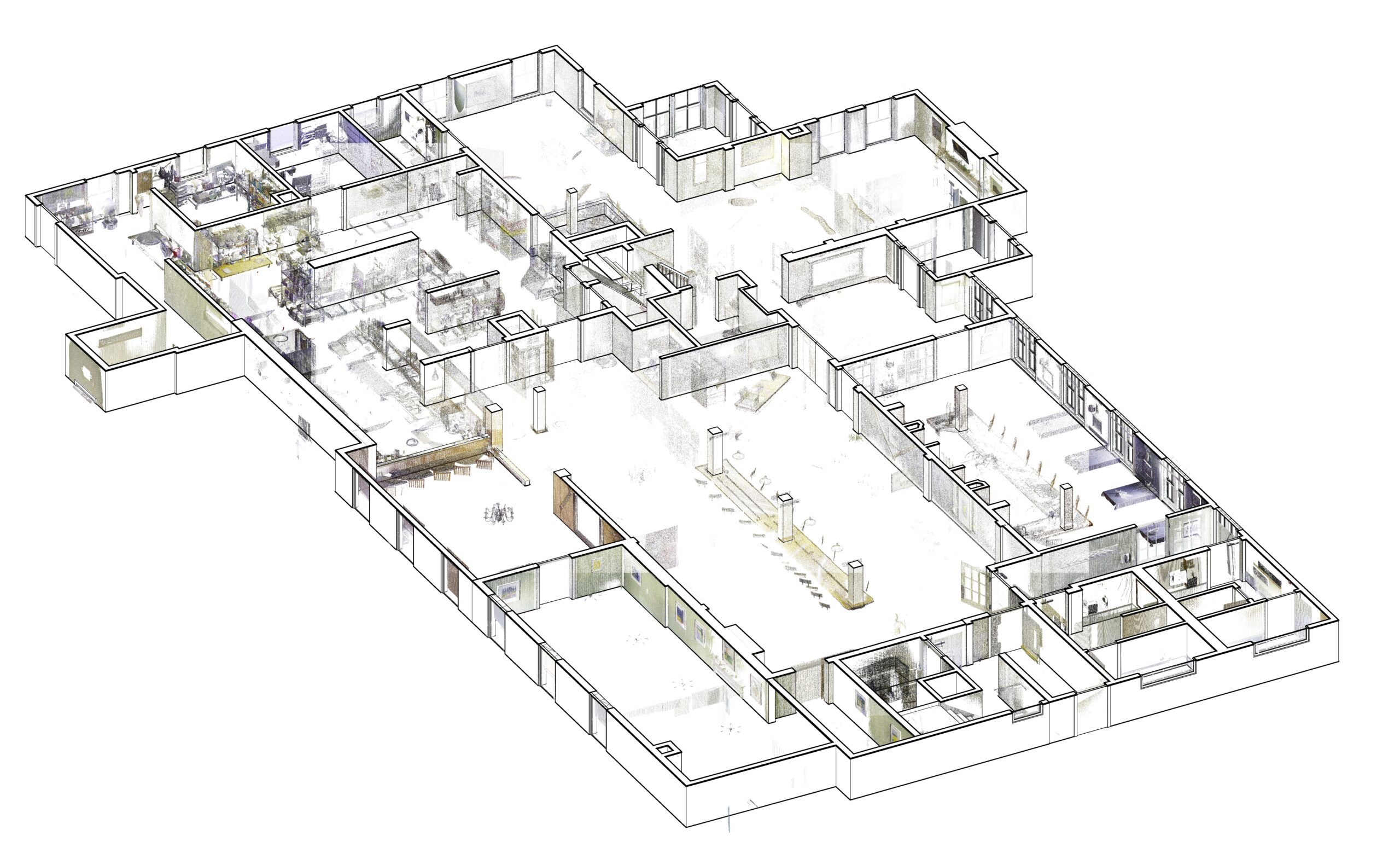
- Shutdown planning reflects real constraints
- Fabrication and installation sequencing account for actual conditions
- Risks are identified when they are still manageable
This approach does not slow projects down. It prevents the delays caused by late discovery.
Practical Steps to Reduce Risk Before Mobilization
Owners, contractors, and engineering teams can reduce existing conditions risk by:
- Prioritizing validation during preconstruction, not after design is complete
- Identifying high-risk decision points early
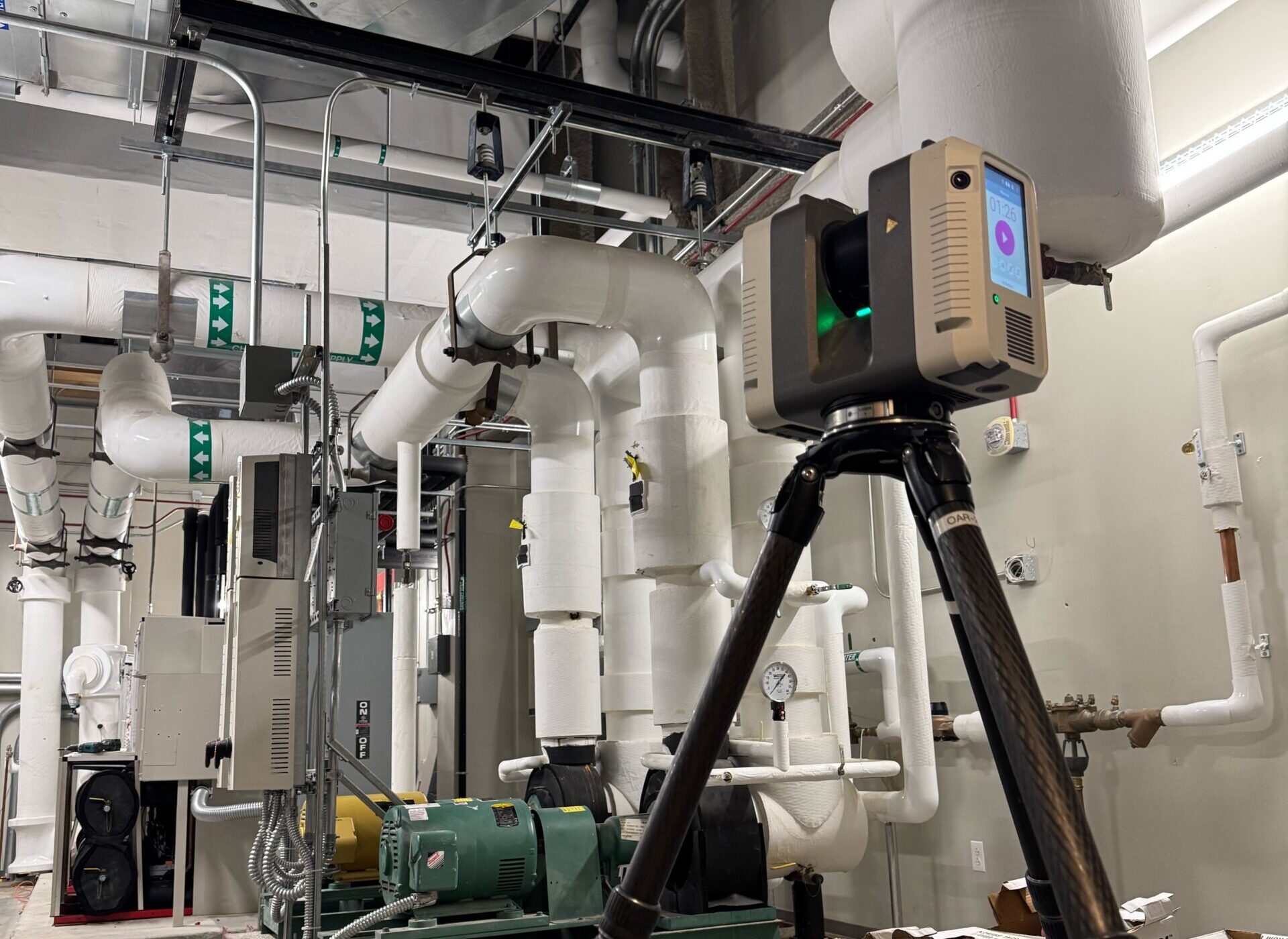
- Ensuring all disciplines coordinate from the same verified dataset
- Treating existing conditions as a strategic input, not a secondary task
The cost of early validation is almost always lower than the cost of rework.
A Better Way to Think About Construction Risk
Construction risk is often treated as something to manage during execution.
In reality, the largest risks are introduced much earlier, when construction decisions fail before work begins due to incomplete information.
Risk enters projects when:
- Assumptions go unchallenged
- Existing conditions are treated as secondary
- Reality is deferred until it becomes inconvenient
Reducing risk is not about reacting faster in the field.
It is about improving decision quality before mobilization.
The Strategic Takeaway
Projects rarely fail because teams lack execution capability.
They fail because teams are asked to execute decisions made without reliable information.
Replacing assumptions with verified reality improves more than accuracy. It improves confidence.
Confidence enables better planning.
Better planning enables smoother execution.
Smoother execution reduces costly surprises.
High-performing teams operationalize this mindset by grounding planning and coordination in trusted, field-verified information. The result is fewer change orders, fewer shutdown overruns, and more predictable outcomes.
In a market where margins are tight and tolerance for error continues to shrink, decision quality is not just operational discipline. It is a competitive advantage.