
In most construction projects, risk is treated as something to manage once work begins.
But high-performing teams understand something different: the biggest risks are introduced before construction ever starts, when decisions are made with limited visibility into existing conditions.
To consistently reduce risk before construction, teams focus on improving decision quality early, while outcomes are still flexible and influenceable.
They do not eliminate complexity. They reduce uncertainty before it becomes expensive.
Table of Contents
Risk Is Not Created in the Field
When projects encounter delays, clashes, or cost overruns, the field often takes the blame. Crews are pushed to move faster. Schedules are compressed. Coordination meetings multiply.
In reality, execution teams are usually dealing with the consequences of earlier decisions.
Risk enters a project when:
- Planning is based on assumptions instead of verified conditions
- Coordination happens after key decisions are already locked
- Existing constraints are discovered late, under pressure
- Teams move forward with incomplete information
By the time construction begins, many of the most impactful decisions have already been made. If uncertainty was not addressed upstream, it is now embedded in the schedule and budget.
How High-Performing Teams Reduce Risk Before Construction
Teams that successfully reduce risk before construction do not rely on heroics or contingency plans. They focus on decision discipline upstream.
Across projects and industries, these teams tend to share several consistent habits.
1. They Validate Reality Early
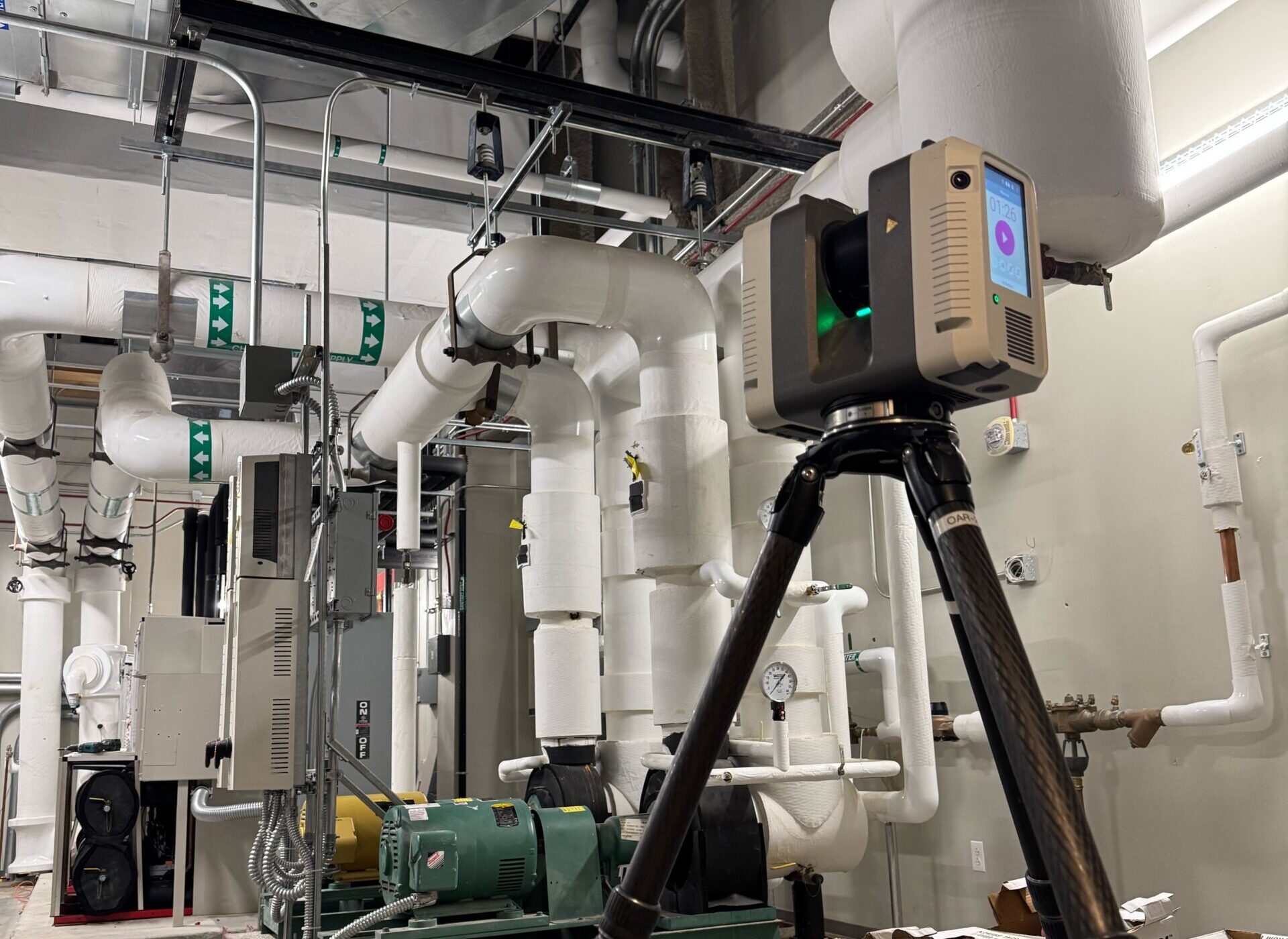
Instead of assuming drawings and documentation reflect current conditions, high-performing teams prioritize early validation.
They ask:
- What do we actually know about this site?
- What did the designer or engineer know about the site?
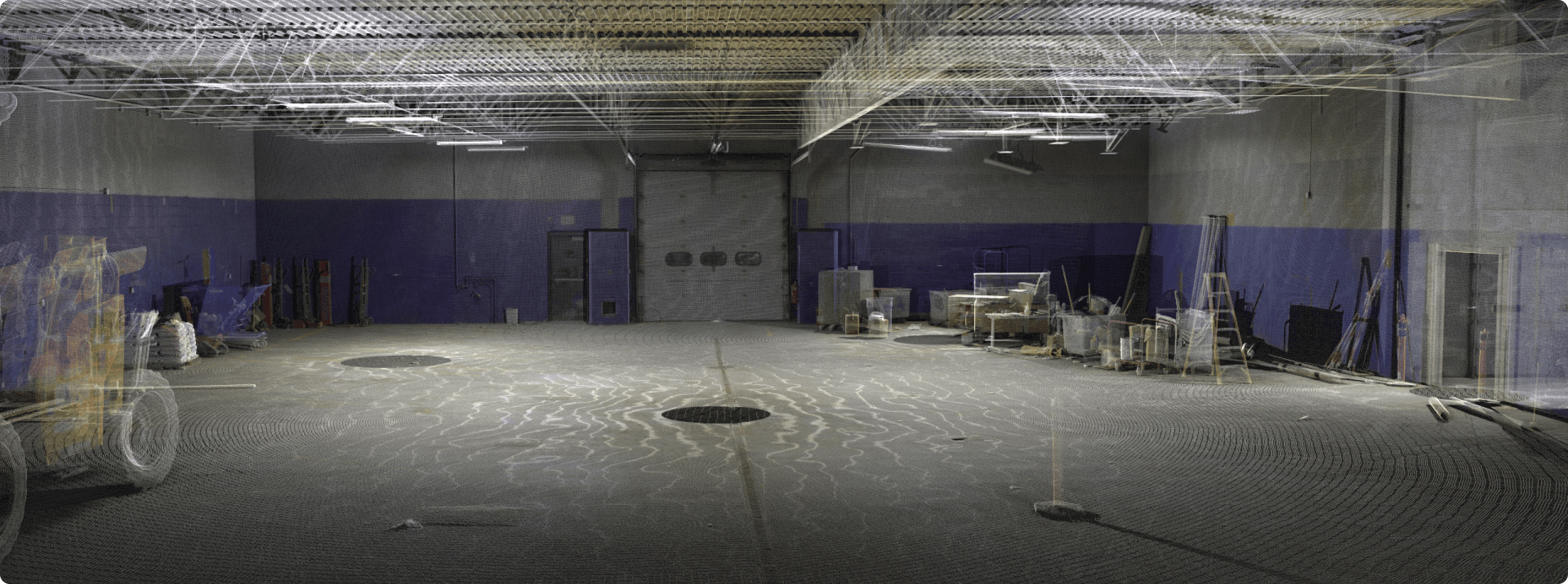
- Is there an accurate 3D model of the designs or existing conditions?
- Where are the highest-risk assumptions?
- What must be verified before committing to sequencing or fabrication?
Early validation does not mean documenting everything. It means confirming the conditions that will most influence critical decisions.
2. They Focus Detail Where It Matters Most
More detail is not always better. Strategic detail is.
High-performing teams focus effort on:
- Congested areas
- Critical system interfaces
- Access and clearance constraints
- Areas that will be difficult or costly to modify later
By targeting detail where risk is highest, they reduce uncertainty without slowing progress.
3. They Align Teams Around a Single Source of Truth
Risk increases when different teams plan from different versions of reality.
High-performing teams work from shared, trusted information that everyone understands and relies on. This reduces misalignment between design, fabrication, and construction, and limits the need for reactive coordination.
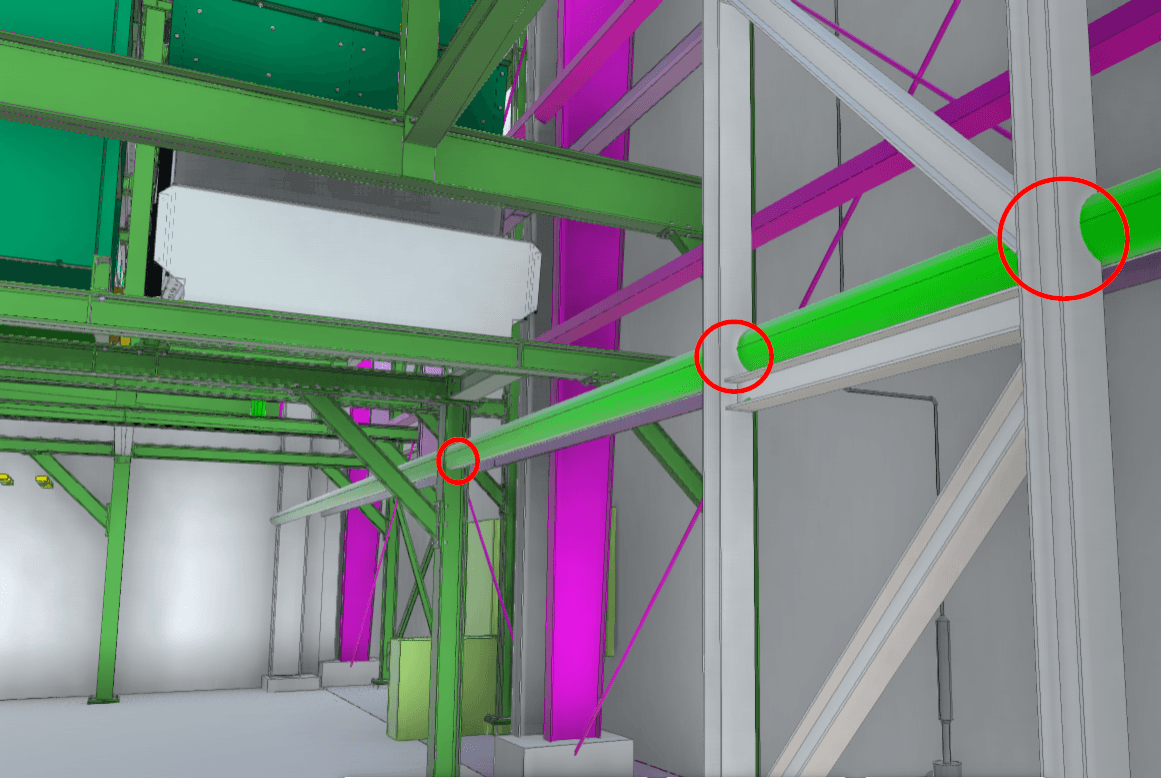
When stakeholders plan from the same verified inputs, decisions move faster and with greater confidence. This is one of the key advantages of model-driven, 3D-coordinated projects.
4. They Make Decisions Before Pressure Sets In
Late decisions are rarely good decisions.
Teams that consistently reduce risk before construction create space to decide early, before shutdown windows, fabrication schedules, or field constraints limit available options.
This allows them to:
- Compare alternatives objectively
- Sequence work intentionally
- Resolve conflicts before they become urgent
- Lock in strategies with confidence
Early decisions made with reliable information are easier to defend and easier to execute.
5. They Treat Risk Reduction as a Process
High-performing teams do not look for a single solution to eliminate risk. They build processes that consistently reduce it.
That process typically includes:
- Early verification of existing conditions
- Clear criteria for when information is sufficient to proceed
- Coordination workflows that surface conflicts early
- Ongoing alignment as plans evolve
Technology supports this process, but discipline drives it.
Why Reducing Risk Before Construction Changes Project Outcomes
When teams reduce risk before construction, the downstream behavior of the project changes.
Instead of reacting to surprises, teams:
- Anticipate constraints
- Plan with fewer contingencies
- Coordinate with clarity
- Execute with fewer disruptions
The result is not just smoother construction. It is improved predictability across schedule, cost, and safety.
A Practical Checklist to Reduce Risk Before Construction
Before mobilization, high-performing teams can clearly answer:
- Which assumptions carry the most risk?
- What conditions have been verified and which have not?
- Where could small discrepancies create major impacts?
- Are all stakeholders planning from the same information?
- Have key decisions been made with sufficient confidence?
If those answers are unclear, risk is already present.
The Strategic Takeaway
Reducing construction risk is not about controlling every variable. It is about improving decision quality before pressure, time constraints, and limited options take over.
Teams that consistently deliver predictable outcomes recognize uncertainty early and address it while there is still time to influence results.
In complex construction environments, predictability is earned before work begins.
If your team is preparing for a complex project and wants greater confidence before mobilization, an early conversation around risk and existing conditions can make a measurable difference.