Table of Contents
When it comes to industrial shutdowns, every hour counts. In refineries, food processing plants, or manufacturing facilities, even a short delay can translate into tens of thousands of dollars in lost production. The challenge is that most shutdown planning still leans on outdated drawings, incomplete as-builts, or hand measurements that simply don’t capture the complexity of the site.
And when you move forward with inaccurate records, the result is almost always the same: clashes in the field, costly rework, and longer shutdowns.
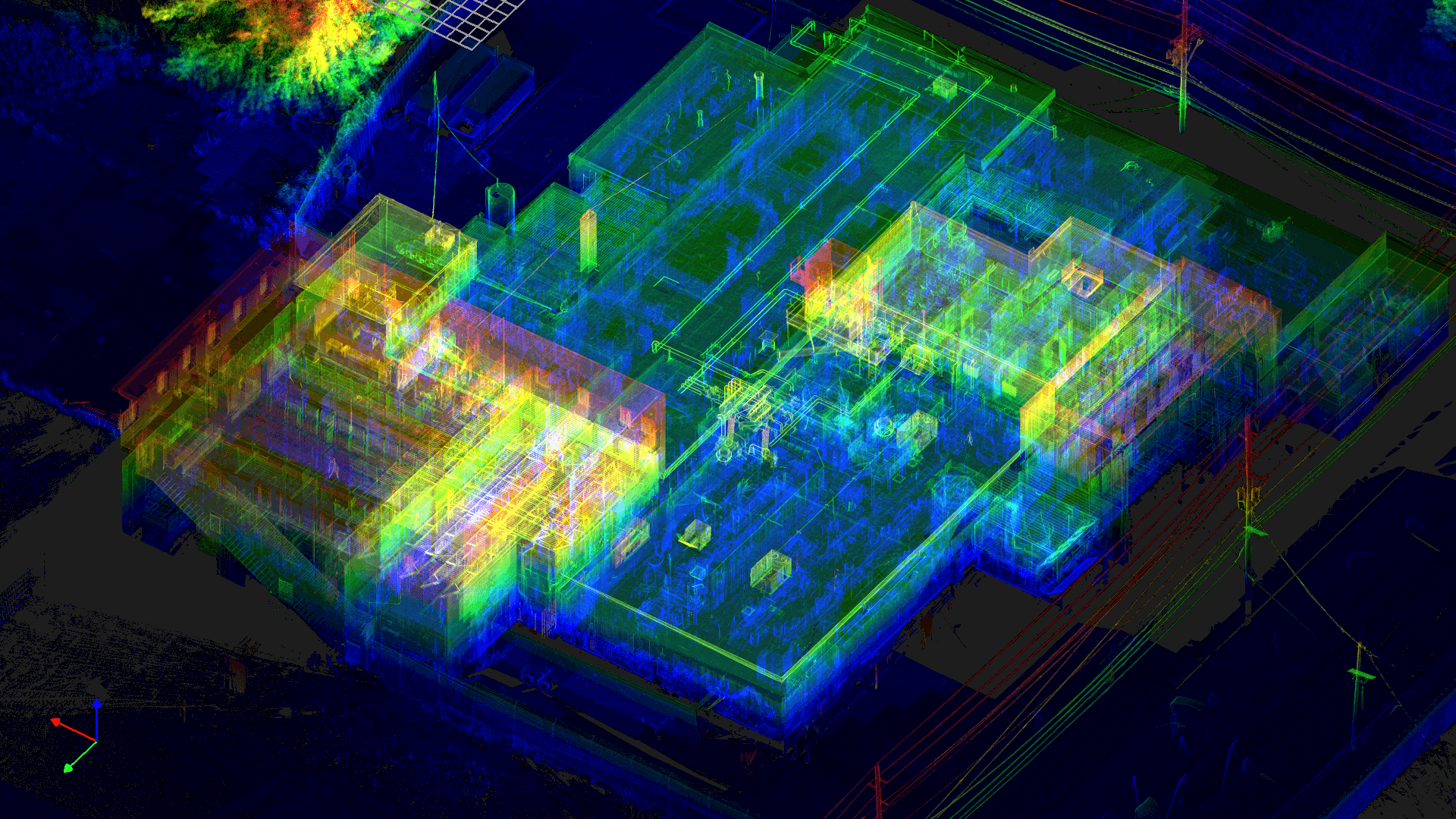
At OAR, we help project owners avoid those pitfalls with Scan-to-BIM — the process of capturing existing conditions with laser scanning and turning them into a precise, digital model that design and construction teams can actually rely on.
Why Timing Is Everything
One of the most common mistakes we see is waiting too long to get a Scan-to-BIM done. Owners often assume it’s something you bring in after design is complete — almost like a “double-check” before construction. But by then, it’s usually too late.
If the design was based on outdated or incomplete information, teams are forced to redesign, fabrication is delayed, and shutdown schedules get stretched. The cost of “fixing” at that stage is much higher than doing it right from the start.
That’s why we recommend scheduling a Scan-to-BIM as early as the predesign phase. This way, the data we capture becomes part of the first conceptual drawings. Designers can work with verified conditions from day one, and that accuracy carries through the rest of the project.
The payoff:
- Smarter designs that reflect the reality on site
- Fewer clashes during coordination
- Reduced risk during fabrication and installation
- Shutdowns that stay on schedule instead of draining budget
How Scan-to-BIM Speeds Up Shutdowns
Faster Data Capture
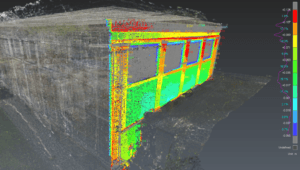
Traditional field surveys can take days or weeks. With laser scanning, we capture millions of data points in a matter of hours. OAR crews can scan retrofit zones quickly and safely, producing a full point cloud that’s immediately sharable across the team. Partners no longer need to walk the site repeatedly just to verify a dimension.
Accuracy That Matters
Our models typically achieve ±3–5 mm accuracy. That level of detail ensures pipes, hangers, and equipment layouts match real-world conditions. The fewer adjustments installers make in the field, the faster the work goes.
Early Clash Detection
Clashes are inevitable when drawings are based on assumptions. With Scan-to-BIM, potential conflicts show up in the model long before the shutdown starts. Teams can coordinate virtually instead of discovering problems under time pressure in the field.
Right Detail, Right Place
Not every area of a facility needs to be modeled at the same level of detail. OAR combines broad Scan-to-Plan for overall layout context with high-detail BIM in critical spaces like mechanical rooms and tie-in points. The result: accurate data where it matters most, without wasting time or budget where it doesn’t.
The OAR Approach
We’ve built our workflow around the speed and complexity of industrial shutdowns:
- Mobilization in 48 hours or less
- Scans completed in 1–3 days
- QA/QC on point cloud data for clean inputs
- Revit models built to LOD 200–350+
- Coordination-ready deliverables in Revit, Navisworks, IFC, or DWG
- Continuous field-to-model communication throughout shutdown phases
With OAR, you don’t just get a 3D model. You get a constructible planning asset that reduces risk, keeps teams aligned, and makes shutdown execution predictable.
The Results Owners See
By bringing Scan-to-BIM in early, project owners:
- Spend less time redesigning after clashes are found
- Reduce expensive field modifications
- Enable prefabrication with confidence
- Keep shutdowns within their planned window
In short: every issue caught before the shutdown pays for itself — often many times over.
Conclusion
Shutdowns don’t have to be slow, reactive, or unpredictable. By making Scan-to-BIM part of the predesign phase, you give your team the verified data they need to design accurately, coordinate early, and execute with confidence.
At OAR, we specialize in delivering models that go beyond documentation — they’re tools that keep projects on time and owners in control.
FAQs
How quickly can OAR mobilize?
We can deploy scanning crews within 48 hours. Most scans are completed in 1–3 days, with modeling and coordination starting immediately.
Do I need to scan the entire facility?
Not always. We often combine full Scan-to-Plan for context with high-detail modeling in retrofit zones, mechanical rooms, or tie-in points.
What level of accuracy can I expect?
Our models typically achieve ±3–5 mm accuracy, calibrated against field benchmarks. Perfect for prefabrication and tight-tolerance installs.
Which platforms do you support?
We deliver in Revit, Navisworks, IFC, and DWG. We also integrate with BIM 360, ACC, and your preferred CDE.
How does this reduce shutdown time?
By catching clashes early and enabling prefabrication, crews spend less time measuring and more time installing. That translates directly into faster, smoother shutdowns.