
BIM Coordination and Virtual Construction
Coordinate project models, review defined clashes and clearances, and manage issues.
OAR supports general contractors, VDC managers, contractors, engineers, and owners nationwide with project-based or supplemental coordination capacity.
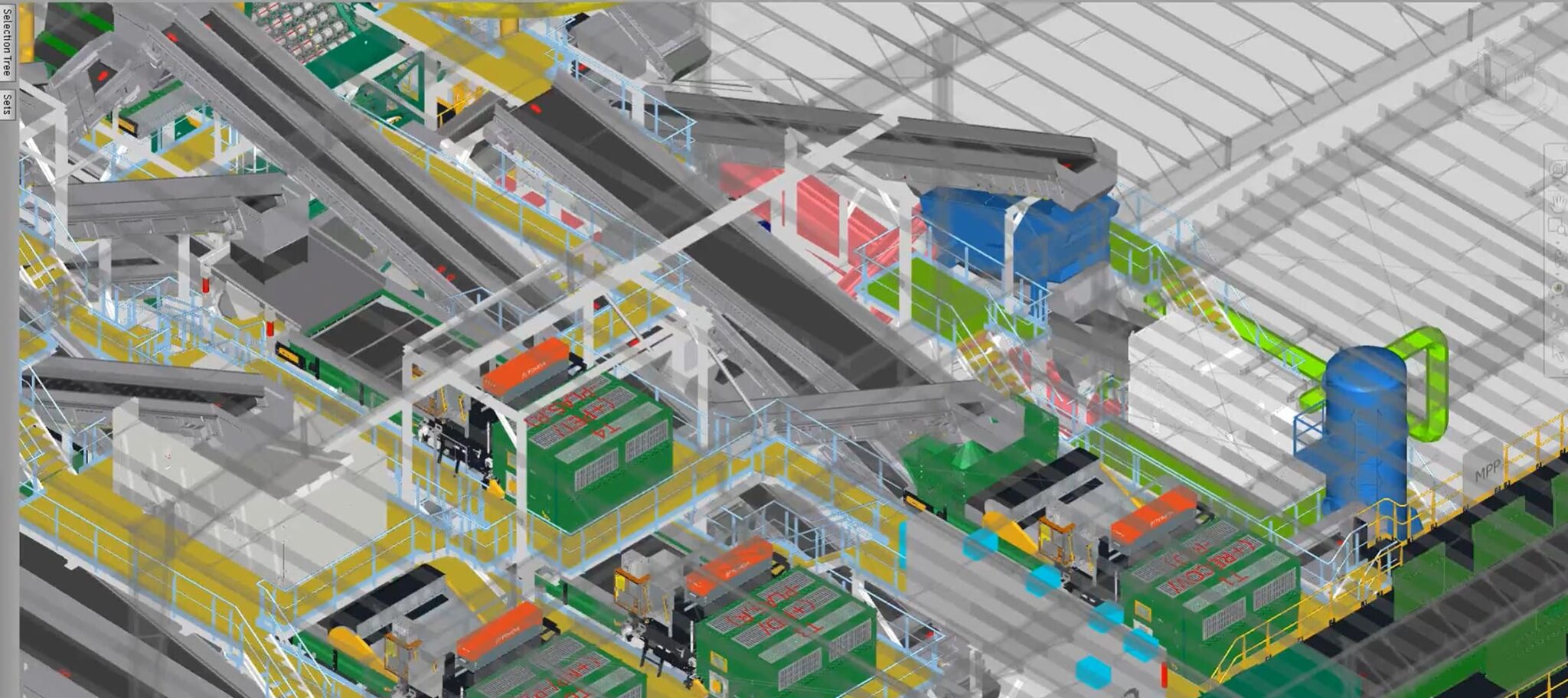
A shared digital approach to project coordination
BIM Coordination & Virtual Construction brings project models, field laser scanning data, and project participants into a comprehensive review process. OAR creates a common source of project information so teams can review the same conditions, identify significant issues earlier, and make better-informed decisions before work reaches the field.
Plan the digital approach
Review project drawings, define information requirements, and determine whether existing-condition scanning or a reality-capture plan is needed.
Establish the shared environment
Develop the BIM Execution Plan, organize project documentation, and establish how contractors and other participants will exchange and review information.
Coordinate the project team
Federate models, run defined clash reviews, and facilitate coordination meetings around a common visualization so the team can address significant issues, improve plan reliability, and reduce avoidable conflicts during field installation.
You may need BIM coordination when…
OAR can join an established BIM workflow or provide additional coordination capacity for a defined project, phase, or program.
Multiple trades need to fit in the same space.
You are building inside an operating facility.
Your contract requires model coordination or a BIM Execution Plan.
Installation must be planned around a shutdown window.
Your team needs short-term coordination capacity.
The project includes multiple phases or changing information.
From project requirements to agreed delivery
01 · Define and prepare
Confirm the available models, drawings, scan data, coordinates, responsibilities, milestones, review criteria, and required outputs.
02 · Federate and review
Organize the agreed discipline information and apply project-defined rules to review clashes, clearances, access requirements, and selected interfaces.
03 · Manage coordination issues
Create issue records, assign responsibility, support review cycles, and track updated information according to the agreed workflow.
04 · Deliver agreed records
Prepare the federated models, issue status, reports, views, drawings, or handoff documentation included in the project scope.
Define what is coordinated and what the team receives
Models and disciplines
Federated coordination models
Issue records and review information
Agreed handoff outputs
Connect coordination to the information your team needs next
3D Laser Scanning & Existing Conditions
Digital Delivery & Implementation
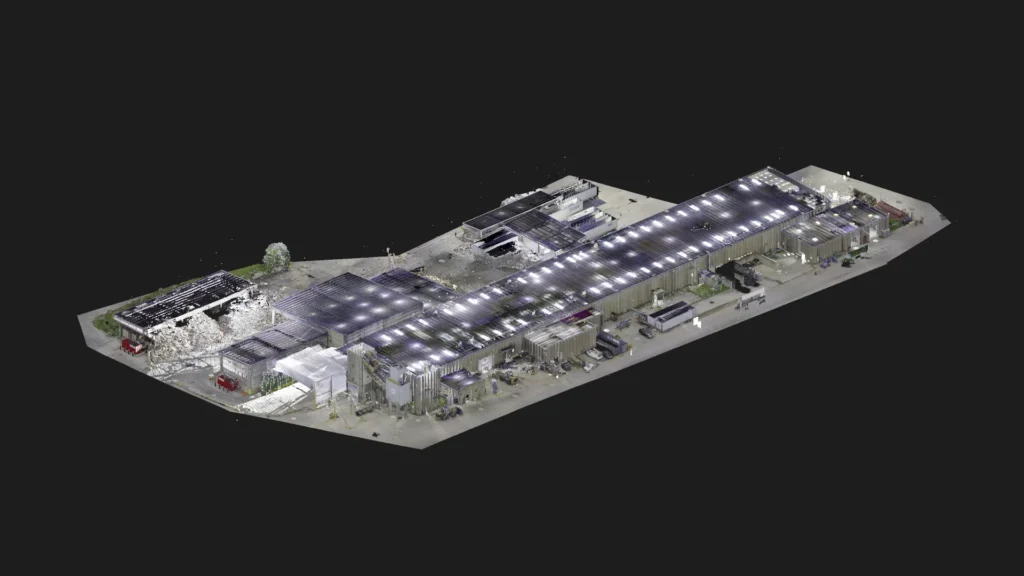
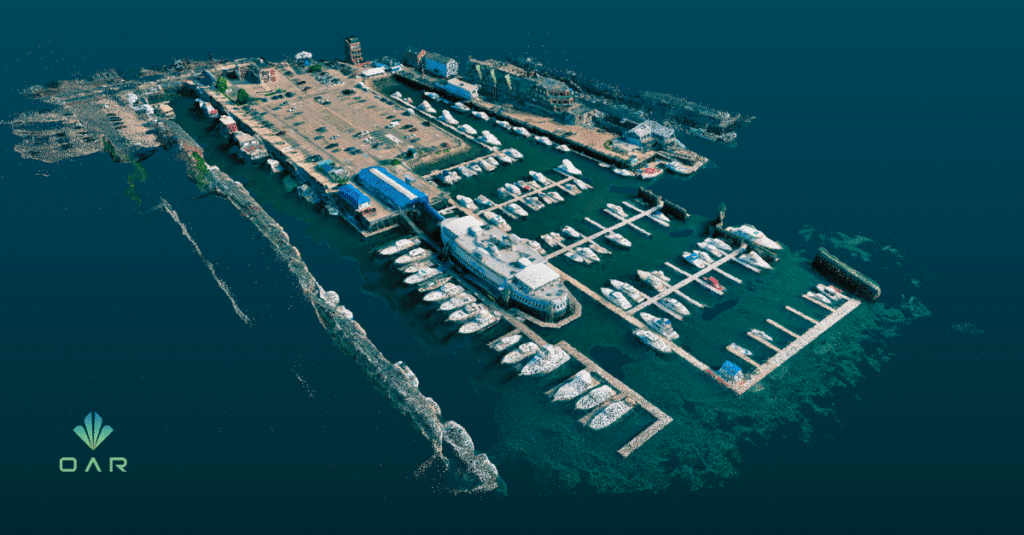
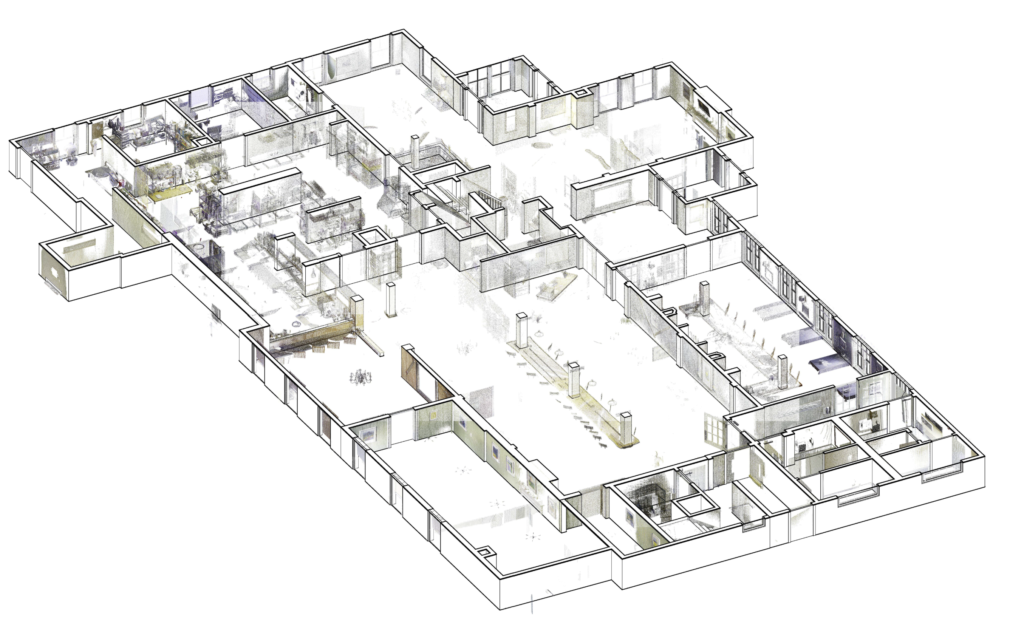
See how the work comes together
FAQs
What is clash detection?
Clash detection reviews defined model interfaces and identifies modeled intersections or clearance issues according to project criteria. It is one activity within the broader BIM coordination process.
What trades can be included?
The scope may include architectural, structural, mechanical, electrical, plumbing, fire-protection, process equipment, vendor, and existing-condition information when the required models and responsibilities are defined.
Does OAR need to author every model?
Not necessarily. OAR can coordinate models provided by project participants and can develop selected model content only when that authoring work is included in the agreed scope.
Who is responsible for final design and installation decisions?
The responsible designers, engineers, contractors, fabricators, and trades approve and implement changes within their professional and contractual responsibilities. OAR’s role is defined by its contracted coordination scope.
How long does BIM coordination take?
Timing depends on model readiness, project size, disciplines, issue volume, review cycles, participant response times, and required deliverables. OAR proposes the workflow and schedule after reviewing the project.
Can BIM coordination be delivered remotely?
Yes, coordination can be performed remotely for projects across the United States. On-site participation, existing-condition capture, and project-specific platform or travel requirements are confirmed during scoping.
What does your team need to move forward?
Tell us what you’re planning. Share your project details with us so we can discuss the information your team needs.