

Table of Contents
Turning Real-World Data Into Smarter, Sustainable Decisions
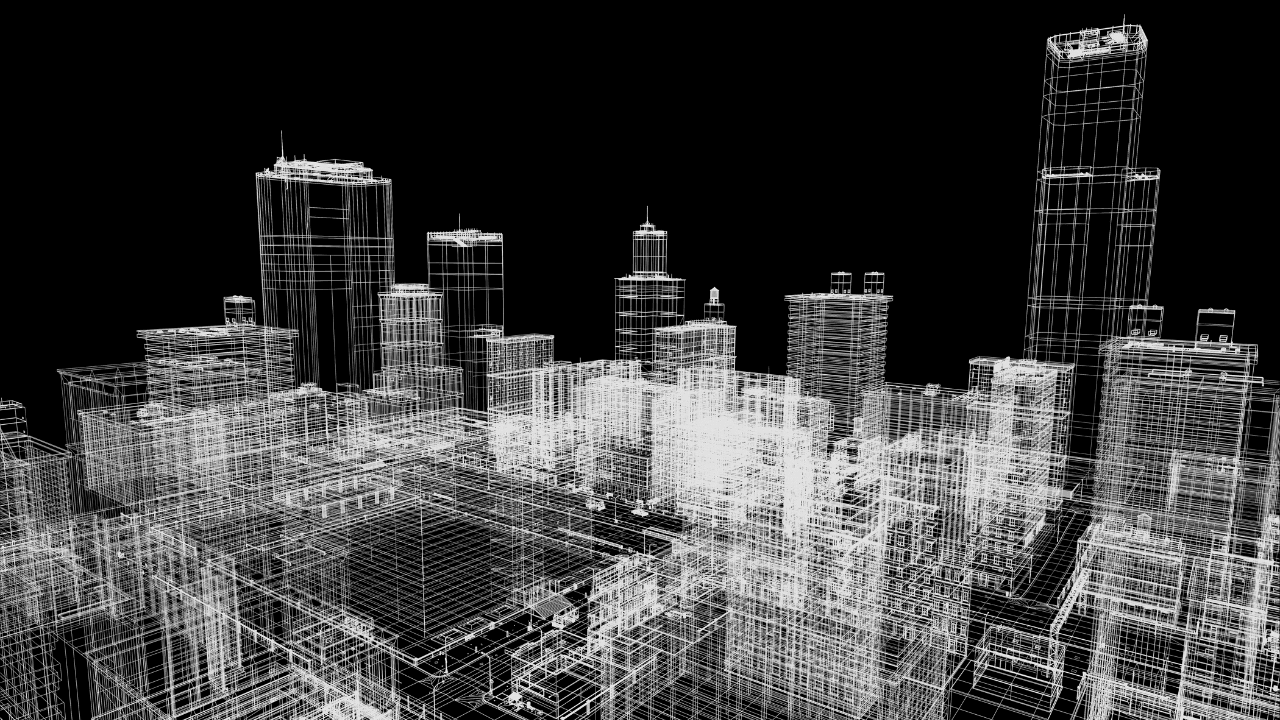
Across the built world, the conversation around digital twins is evolving. What started as static 3D models is becoming something more powerful — a system that connects design, construction, and operation into one continuous thread.
Discussions in the AEC and manufacturing industries — including at global forums like Autodesk University — have spotlighted how digital twins are unlocking predictive intelligence: the ability to understand not just what’s built, but how it performs and how it can improve .
At OAR, we see that transformation happening every day. Our mission has always been to turn real-world data into clarity, giving owners, engineers, contractors, and fabricators the confidence to make decisions that save time, reduce risk, and improve outcomes.
The Foundation: Data You Can Trust
Every predictive system depends on one thing — accuracy.
You can’t simulate, optimize, or predict without reliable data. That’s why every digital twin starts with a clear picture of reality.
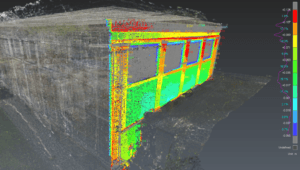
At OAR, we capture that foundation through laser scanning, drone photogrammetry, and Scan-to-BIM workflows that translate real-world conditions into precise, structured models. Whether it’s a manufacturing line, a recycling facility, or a brownfield retrofit, our work creates a baseline that decision makers rely on.
A model is only as smart as the data behind it — and OAR ensures that data is right from the start.
From Capture to Intelligence
Digital twins aren’t only about visualization; they’re about insight.
Once accurate data exists, it can be connected, analyzed, and used to make predictions. That’s where the shift from as-built to as-performing begins.
Through connected workflows, OAR helps clients transform captured data into meaningful intelligence:
- Facilities teams can plan maintenance or shutdowns based on real geometry and performance trends.
- Designers can test new layouts and understand spatial impacts before construction begins.
- Operators can track conditions over time, predicting where wear, inefficiency, or downtime might occur.
In short, data stops being a record — and starts being a roadmap.
Predictive Workflows Reduce Waste
One of the most exciting outcomes of predictive intelligence is its impact on sustainability.
When teams understand how their facilities perform, they can make better decisions — whether that means optimizing material use, reducing rework, or extending the life of existing assets.
OAR’s digital workflows help owners and operators:
- Identify inefficiencies
- Identify best value upgrades and replacements faster
- Plan upgrades more precisely and with greater cost control and spped.
- Reuse and repurpose infrastructure where possible.
Taken together, these outcomes produce measurable impact. Accurate data helps reduce material waste, shorten schedules, and extend asset lifespan. For industries like waste management and manufacturing, that’s not just efficient — it’s essential.
The Barrier: Adoption
Technology isn’t the barrier anymore. The challenge today is adoption.
Every platform and software suite offers ways to visualize, coordinate, and simulate. But if teams don’t use them consistently, the value disappears.
At OAR, we focus as much on implementation as we do on innovation. We don’t just deliver models — we help teams use them. That means training project managers, engineers, and field teams to integrate data into their daily workflows.
Our goal is simple: make digital coordination practical. When owners trust the model, collaboration improves, issues shrink, and every hour in the field counts.
Closing the Loop
A true digital twin doesn’t end at turnover. It evolves.
The most advanced teams are now creating feedback loops that connect real-world performance back into the digital model — enabling predictive maintenance, operational optimization, and long-term sustainability.
OAR supports that progress by keeping models accurate throughout the lifecycle. Our laser scanning and deviation analysis ensure that what exists in the field always matches what’s in the model. That ongoing alignment keeps decisions grounded in reality.
From refineries to recycling facilities, this “closed-loop” approach gives owners and their partners the insight they need to plan ahead — not just react.
Why This Matters
As industries move toward smarter, more connected operations, one truth stands out: clarity drives confidence.
Digital twins — when built on precise data and real adoption — are the foundation for that clarity. They make collaboration smoother, decisions faster, and facilities more resilient.
At OAR, we’re helping clients move from capturing what is, to predicting what’s next.
Because the future of the built environment isn’t just about seeing clearly — it’s about thinking ahead.