Food Production Facility Conversion: Turning 2D Equipment Specs Into a Coordinated, Installation-Ready Model
The Project
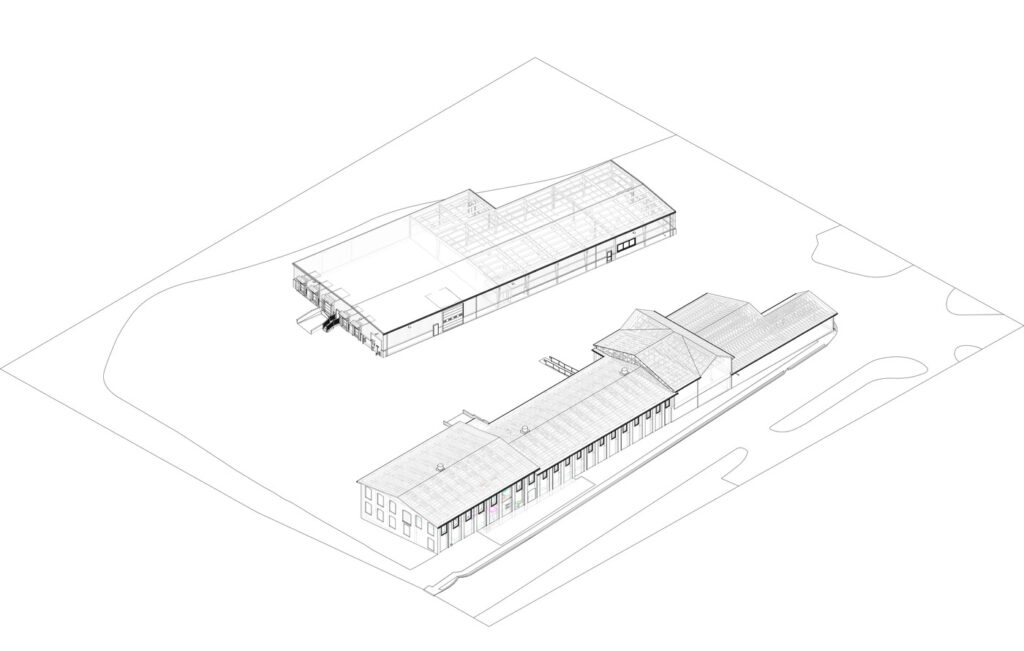
The client was converting an existing building in Pennsylvania into a state-of-the-art food production facility. The project required fitting complex manufacturing equipment into a building with structural constraints that weren’t visible in the original floor plans and aligning the project owner, equipment manufacturers, and trades around a single verified picture of how everything would fit. OAR performed a full LiDAR scan of the building, built a Revit model of existing conditions, and translated 2D equipment supplier drawings into coordinated 3D layouts that the entire team could work from.
Equipment that had to fit. Constraints that weren't on paper.
Food production equipment doesn’t install itself — it has to integrate precisely with structural columns, ceiling heights, drainage systems, utilities, and workflow routing that are specific to the actual building, not the idealized plans. The equipment suppliers were working from 2D specifications; the building’s existing conditions weren’t fully documented; and the project owner needed confidence that what was being designed would actually fit and function before fabrication committed. Misalignment discovered at installation would mean costly delays, fabrication rework, and a production launch pushed back.
Capture reality. Build the model. Coordinate from it.
Existing Conditions Capture
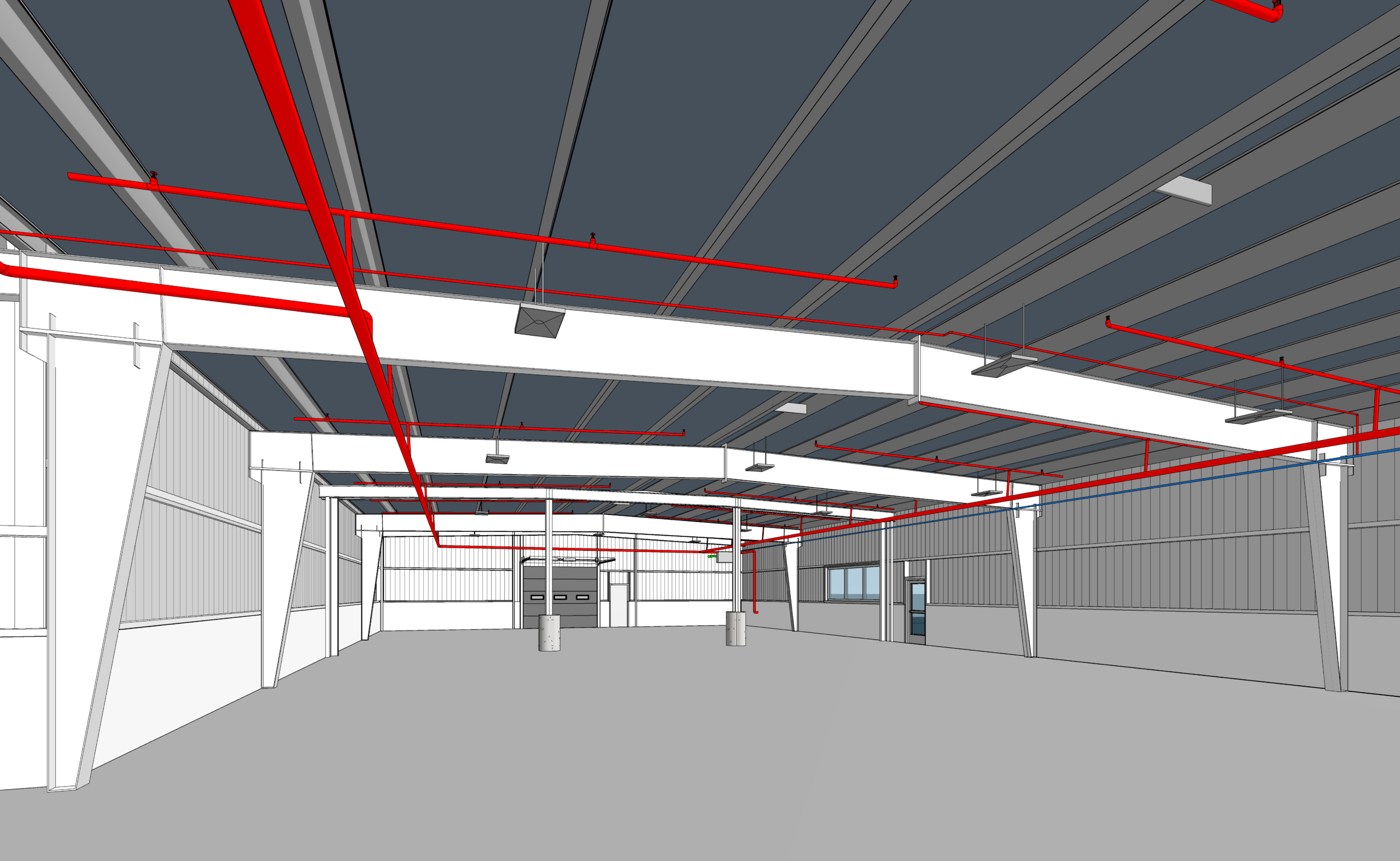
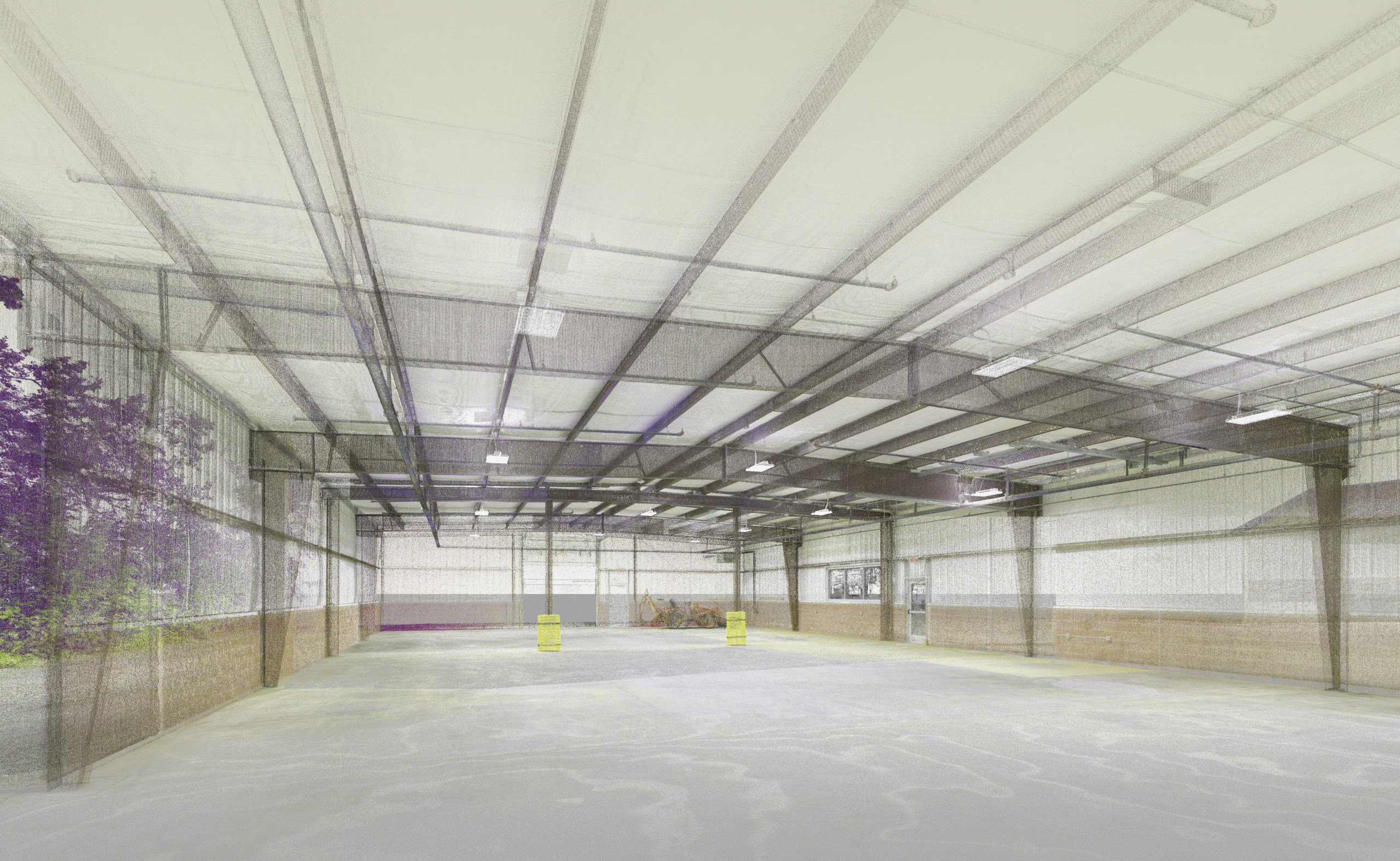
OAR performed a full LiDAR scan of the building, capturing structural geometry, floor-to-ceiling heights, column locations, utility infrastructure, and all spatial constraints relevant to equipment placement. This gave the project team a verified digital model of what the space actually was — not what the original drawings said it was.
Equipment Layout & 3D Space Planning
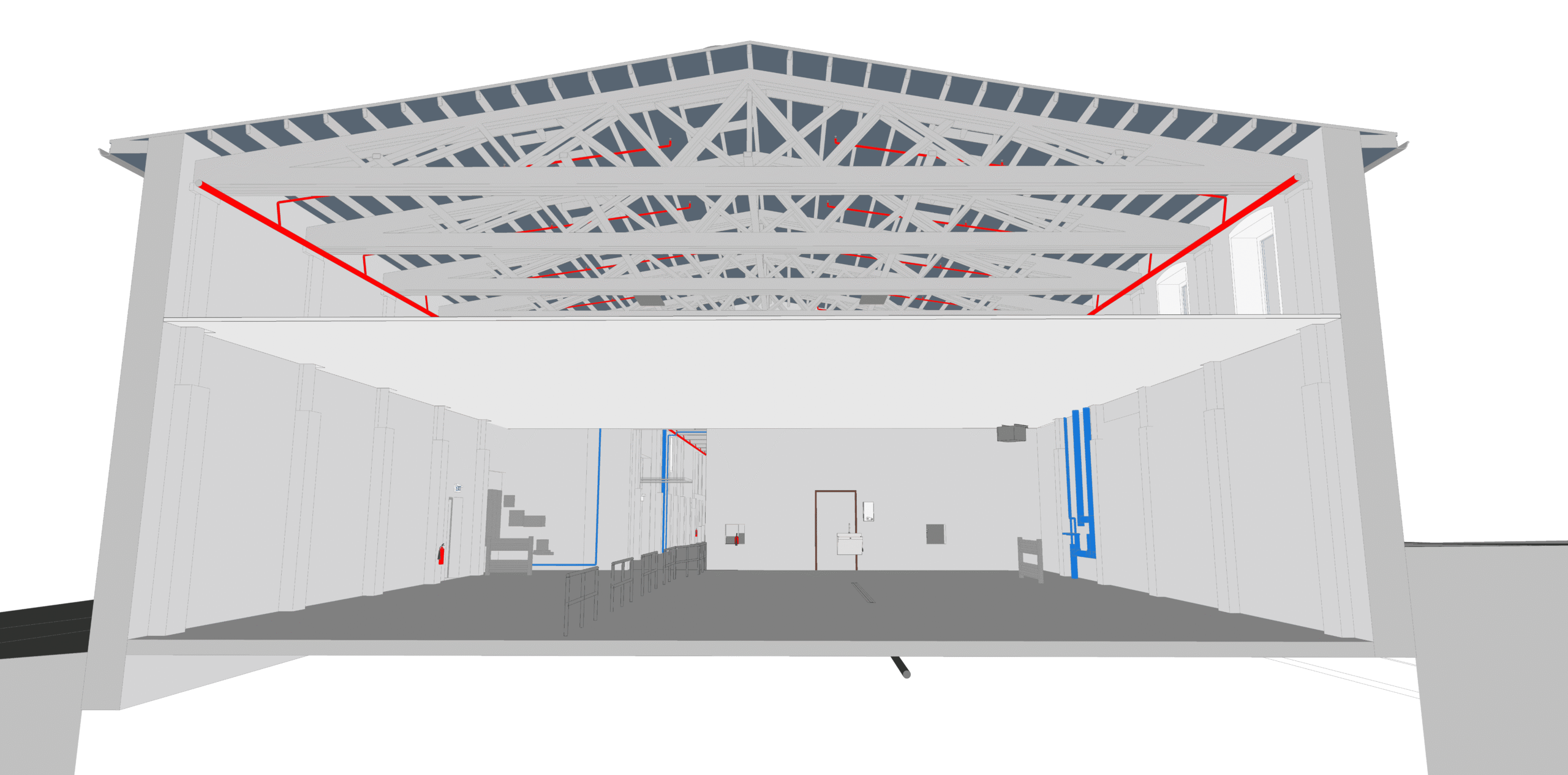
OAR translated the equipment suppliers’ 2D specifications into fully positioned 3D models placed within the existing conditions Revit environment. Each piece of manufacturing equipment was evaluated against structural constraints, clearance requirements, and workflow routing — allowing the team to visualize the complete production layout and identify conflicts before any fabrication or installation began.
Stakeholder Coordination & Installation Planning
With a coordinated 3D model as the single source of truth, OAR facilitated alignment between the project owner, equipment manufacturers, and field trades. Installation plans derived from the model gave contractors clear, precise guidance by reducing ambiguity, preventing delays, and ensuring the manufacturing equipment would integrate with the building’s structural framework exactly as designed.
A production facility ready to build, and built to last.
The client received a coordinated Revit model that gave every project stakeholder a verified picture of how manufacturing equipment would fit within the converted facility. The model resolved equipment-to-structure conflicts before installation began, streamlined coordination between the owner, manufacturers, and trades, and delivered the project on time within scope. Beyond the build, the model now serves as a long-term operational asset: a precise digital record of the facility that supports future equipment upgrades, expansions, and maintenance planning.
Registered point cloud — full building survey capturing all structural conditions
Spatial conflict analysis — equipment-to-structure clearance verification before fabrication
Existing conditions Revit model (LOD 300) — column grid, floor heights, utilities, and constraints
Coordinated installation plans — precise guidance for trades integrating equipment with the building
3D equipment layouts — 2D supplier specs translated into positioned, coordinated Revit models
As-built model — long-term operational asset for future upgrades and expansions