
Two-Phase Scan-to-BIM and MEP Coordination for a 48,765 SF Life Sciences Facility
The Project Need
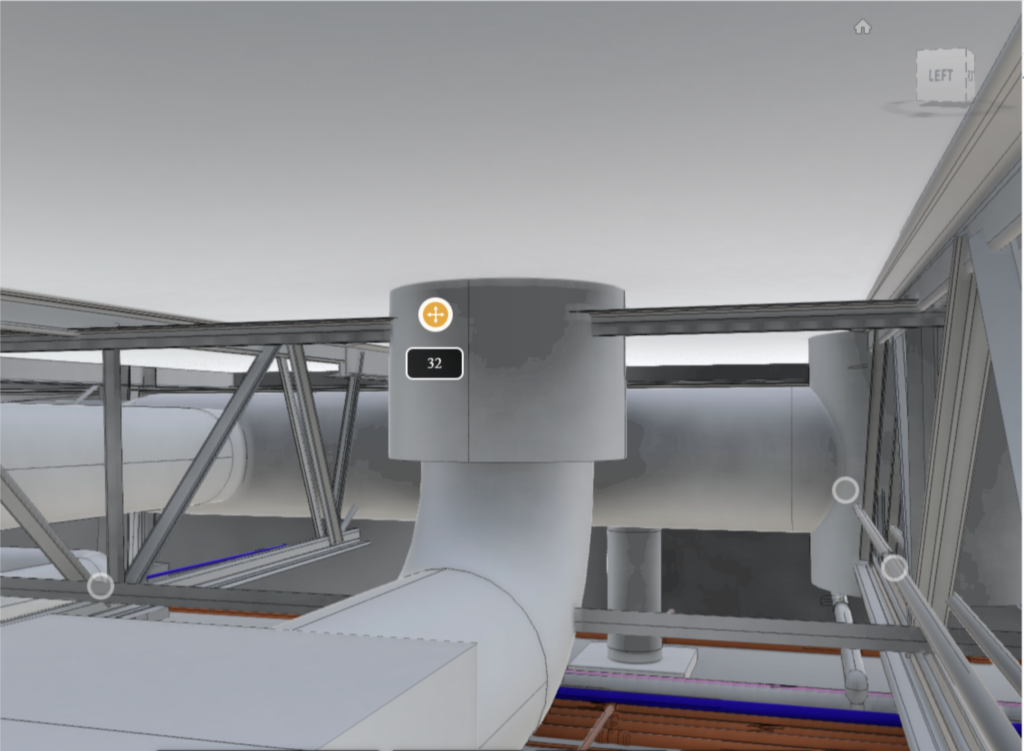
The project required two connected scopes. First, the team needed a reliable model of post-demolition existing conditions. Second, new building systems had to be coordinated against those conditions within an active life-sciences renovation environment.
Two connected project phases
OAR documented 48,765 SF of existing conditions, then coordinated new MEP systems through five clash-detection rounds and 304+ tracked issues.
Existing conditions first. MEP coordination second.
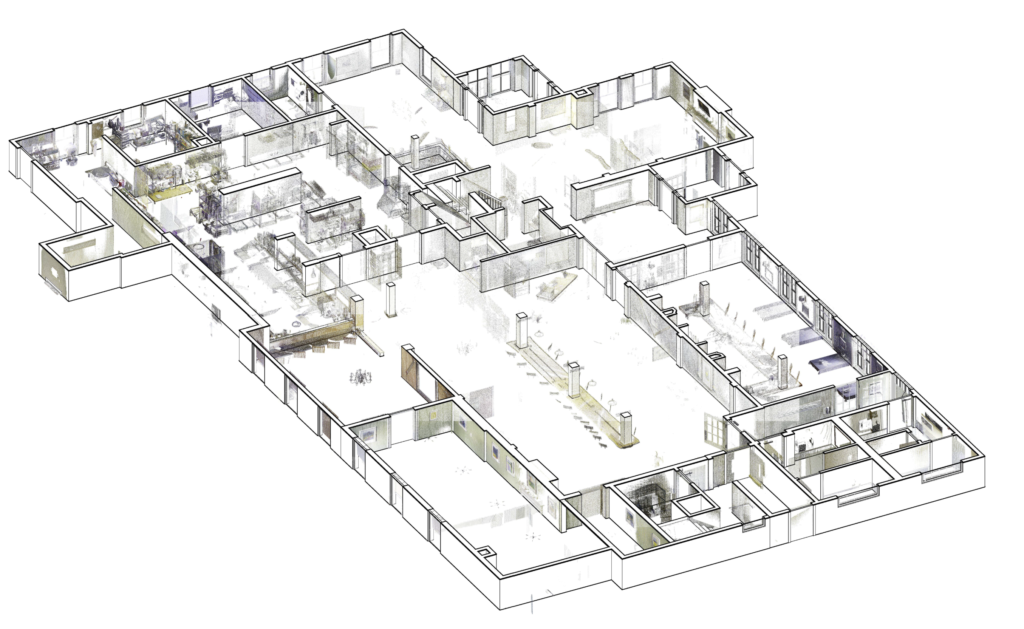
Phase 1 - Existing Conditions
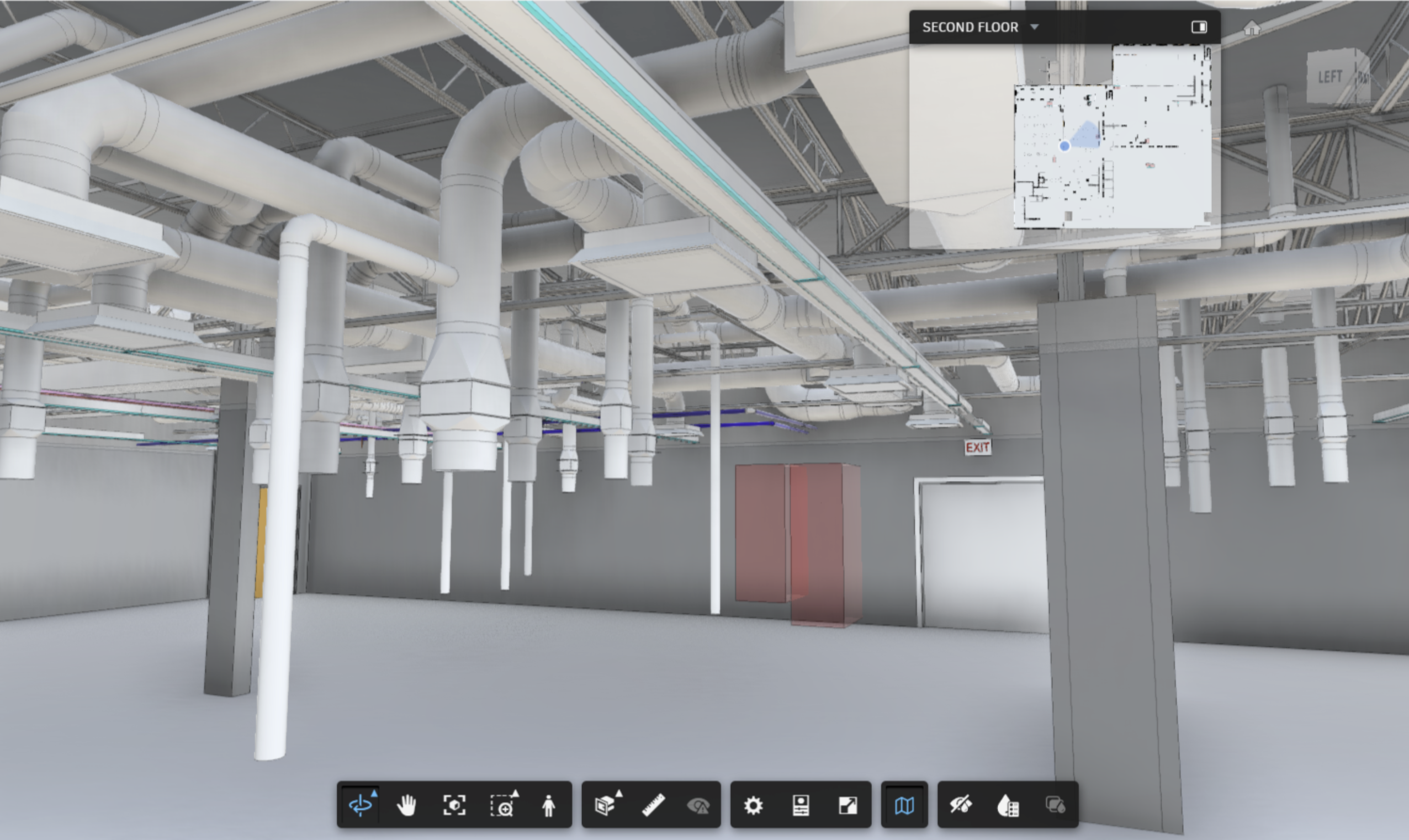
OAR 3D laser scanned and modeled 48,765 SF of existing conditions and delivered the Scan-to-BIM model used as the coordination reference.
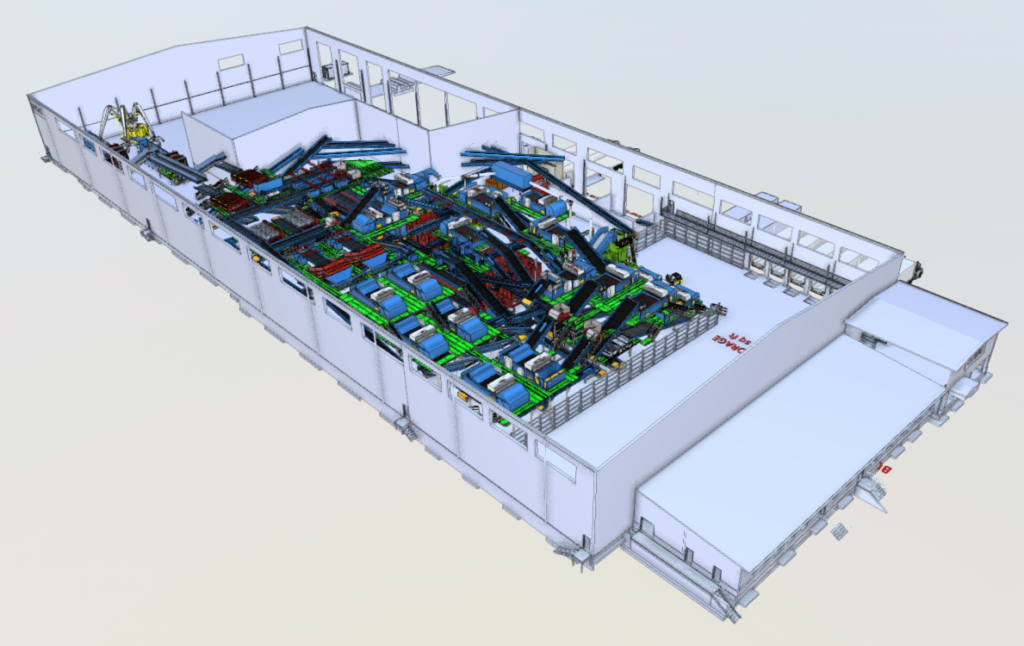
Phase 2 - MEP Coordination
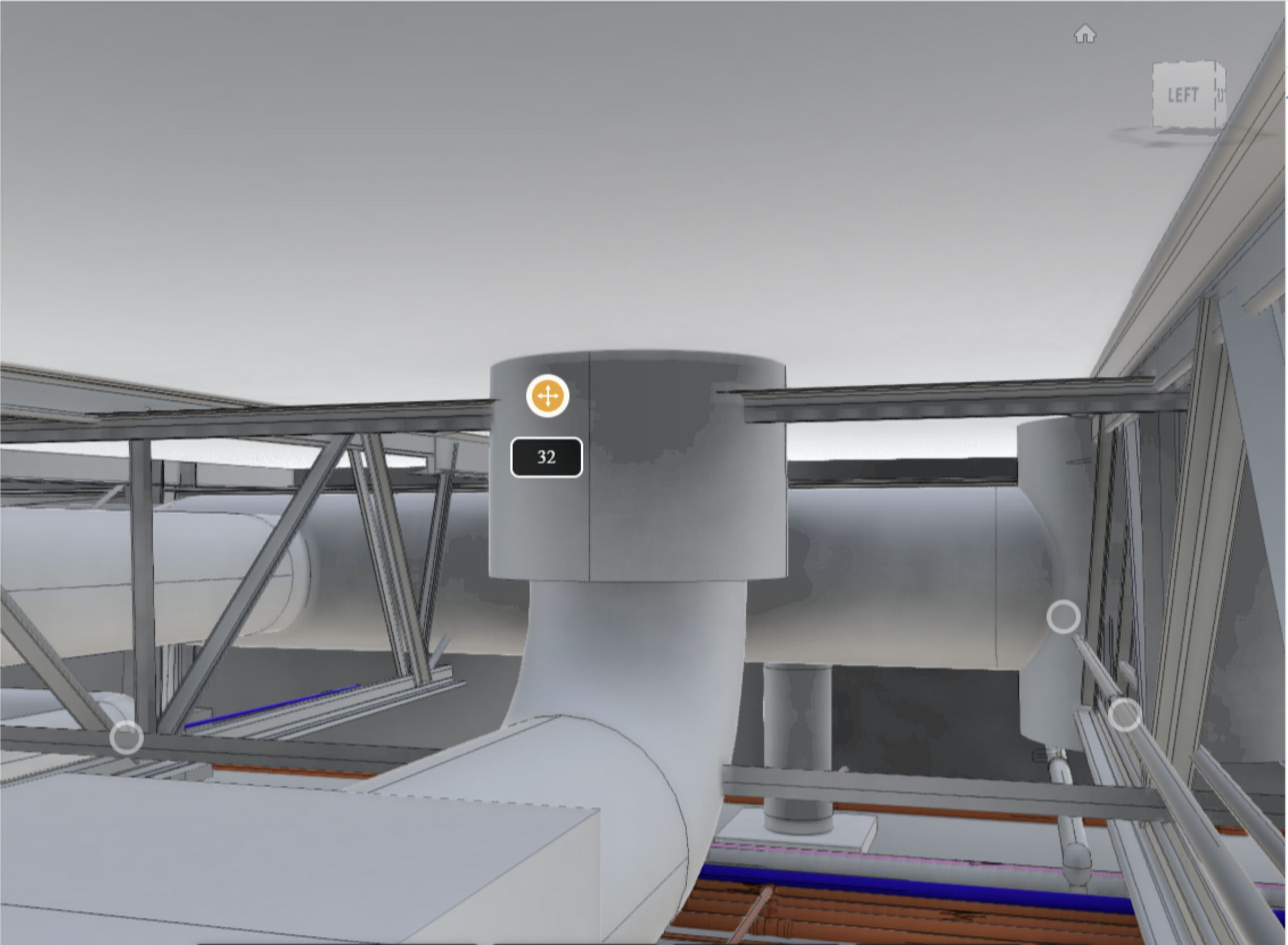
OAR coordinated new fire-protection, HVAC, plumbing, and electrical systems against the existing-condition model. The completed coordination scope covered one area of Level 2.
Clash Detection and Issue Management
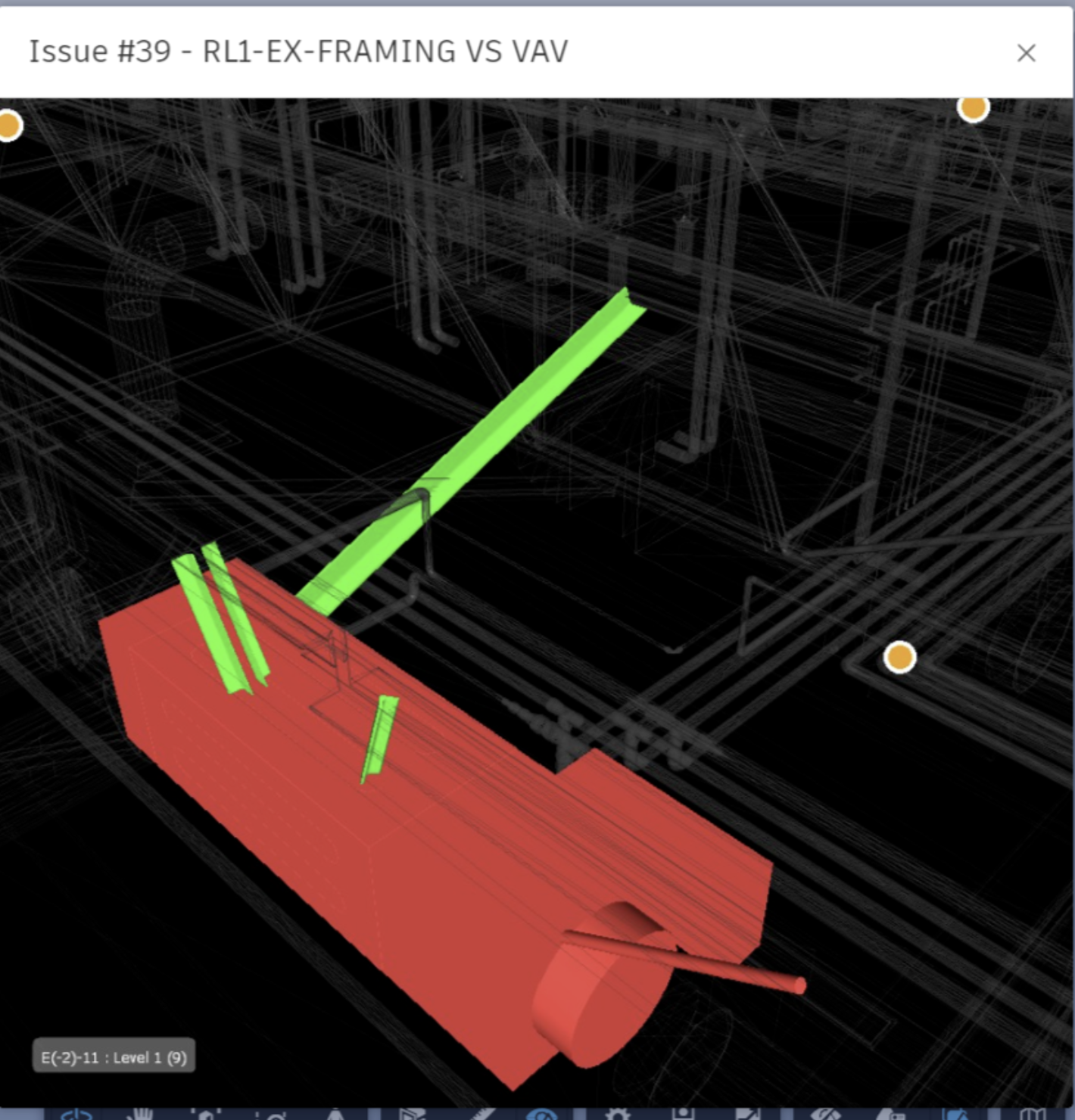
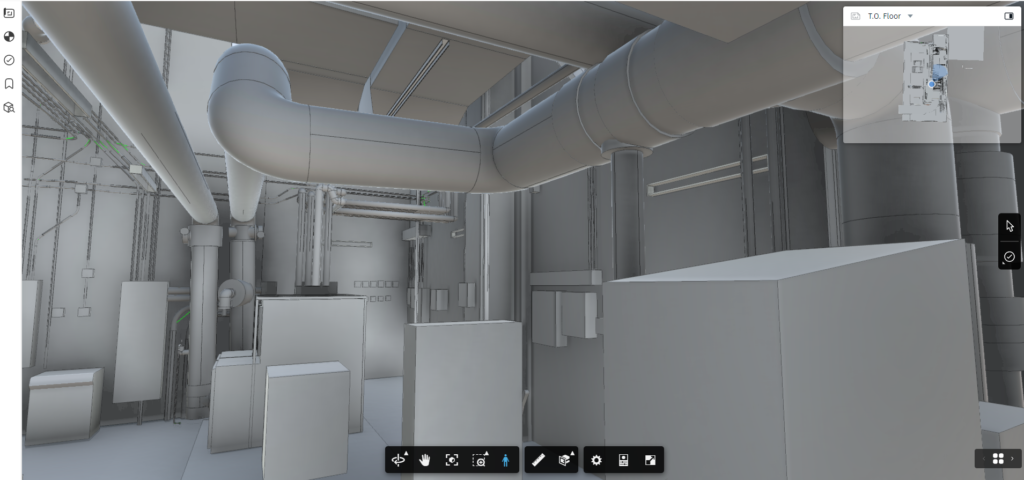
Across five coordination rounds, OAR ran clash tests after weekly model updates from subcontractors, grouped and assigned the resulting issues, and brought them into weekly coordination meetings for review.
Federated Model Handoff
At handoff, the federated model did not return relevant inter-trade clashes.
How the Deliverable Was Used
The existing-condition model provided the physical context for the second phase. OAR then used weekly trade model updates to identify, organize, assign, and review inter-trade coordination issues before handoff.
OAR completed the two-phase scope and tracked more than 304 coordination issues across five clash-detection rounds.
48,765 SF existing-conditions scan and model
Scan-to-BIM deliverable
Coordination of fire protection, HVAC, plumbing, and electrical systems
Five clash-detection rounds
304+ tracked coordination issues
Weekly clash review and coordination meetings
Federated coordination model
What This Workflow Demonstrates
This project demonstrates the value of connecting existing-condition capture directly to coordination. The same verified physical context used to document the facility became the reference for programmatic 3D MEP clash review and issue management. 304 significant issues identified, tracked, and resolved before installation results in faster construction with less RFIs and change orders.
Related OAR Services
3D Laser Scanning / Existing Conditions
BIM Coordination & Virtual Construction
Ready to start?
Need to coordinate new MEP systems against existing conditions?
OAR can connect field capture, Scan-to-BIM modeling, and structured coordination, so proposed systems are reviewed against the physical environment they must fit within.